
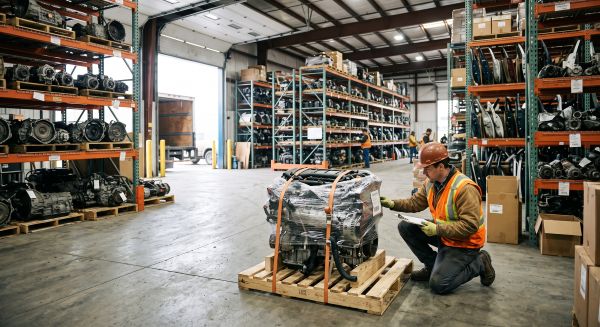

Used Auto Parts Delivered Across Canada
Table of Contents
- Key Takeaways
- Source Used Auto Parts Nationwide
- Inventory Scope
- Economic Benefits
- Environmental Impact
- Find Reliable Used Auto Parts
- 1. Confirm Compatibility
- 2. Verify Mileage
- 3. Review Diagnostics
- 4. Inspect Visuals
- 5. Check Policies
- The Hidden Market Friction
- Manage Transit and Safe Arrival
- Freight Requirements
- Damage Protocol
- Jasper Auto & Truck Parts
- Conclusion
- Frequently Asked Questions
Key Takeaways
Source Used Auto Parts Nationwide
Inventory Scope
Economic Benefits
Environmental Impact
Find Reliable Used Auto Parts
1. Confirm Compatibility
2. Verify Mileage
3. Review Diagnostics
4. Inspect Visuals
5. Check Policies
The Hidden Market Friction
Manage Transit and Safe Arrival
Freight Requirements
Damage Protocol
Jasper Auto & Truck Parts
Conclusion
Frequently Asked Questions
How do I find the right used auto part for my vehicle?
Are used auto parts reliable and safe to use?
Can I order used auto parts from nationwide suppliers?
What should I check before buying used parts online?
How are used auto parts shipped safely?
Why do prices and availability vary so much for used auto parts?
What makes Jasper Auto & Truck Parts different from other suppliers?
Key Takeaways
Used auto parts from professional recyclers provide a vast inventory of engines, transmissions, and body panels for numerous vehicle types and brands, with real-time stock updates and the ability to search by VIN, make, model or year. This enables drivers and repair shops to locate perfect matches fast, even if from another province.
Opting for quality used parts over new dealership components can slash repair bills while still offering dependable service. Weigh OEM versus aftermarket, consider the pricing, and shop online to find the best balance between cost and value before purchasing.
By utilizing recycled auto parts, we contribute to environmental conservation efforts. Purchasing from certified auto recyclers supports sustainable recycling initiatives and greener vehicle solutions.
Verifying compatibility prior to purchase minimizes return risks and delays, particularly for intricate components. Cross-check VIN and part numbers, confirm mileage and diagnostics, get detailed pictures, and consult our sales team about fitment and condition.
Knowing shipping, freight requirements and damage protocols can help ensure safe and predictable delivery. Give precise address information, monitor your order, examine the part as it arrives and adhere to the dealer’s procedures for reporting damage.
By working with a trusted supplier such as Jasper Auto & Truck Parts, you gain access to an industry-leading complete nationwide inventory, knowledgeable support, and competitive pricing. Connect with the crew directly for assistance with parts selection, compatibility inquiries, and coordinating shipping across Canada.
Used auto parts are vehicle parts removed from a car, truck, or SUV and marketed for resale and reuse rather than purchasing brand new. A lot of drivers and repair shops turn to used parts to save on repair bills, keep aging vehicles on the road, and minimize waste in the automotive world. Parts usually originate from junkyards, insurer total losses, or recycled cars, and may range from motors, gearboxes, sheet metal, headlights, and upholstery. Condition varies from near-new to very used, so transparent grading and return policies are very important. If you’re looking for true value, folks tend to consider price, condition, warranty, and source. The meat of this guide outlines types, advantages, dangers, and savvy buying.
Source Used Auto Parts Nationwide
Comparing used OEM auto parts with aftermarket replacement components for fit and value. Sourcing used auto parts across Canada now works just like purchasing anything else online. Big recyclers in Edmonton operate centralized, computerized inventories and ship to every province, including Ontario, Quebec, and B.C., so buyers can shop around for price, condition, and shipping speed and decide.
Inventory Scope
Inventory typically includes shelf components, full engines, transmissions,transfer cases, axles, body panels, mirrors, and modules for numerous makes and models. One yard will strip parts from compact cars, light SUVs, 4x4 pickups, and heavy-duty trucks, including late-model hybrids. A lot of it is from running, end-of-life vehicles prior to dismantling, so tons of parts are rock-solid working material and a very viable swap for new.
Stock typically breaks down with obvious classes like compact trucks, full-size pickups, luxury vehicles, commercial carriers, and work vans. That assists a store in Edmonton or a fleet manager in Vancouver filter immediately to, say, diesel business carriers or 1/2-ton gasoline pickups.
Both regular and high-end sectors are prevalent within these inventories. It’s common to find Chevy Silverado, Ram, and Ford F‑150 parts right alongside Land Rover, Lexus, BMW, or Mercedes‑Benz components, so a customer can pair a budget hatch or a luxury SUV without changing sources.
Live inventory updates minimize the chance of ordering a part that’s already sold. Buyers can search by VIN, make, model, and year, then inquire for a specific stock number to order now, which helps confirm fitment and reduce the risk of installation problems.
Economic Benefits
Using used parts can reduce costs by as much as 70 percent compared to new dealership parts. A lot of recyclers do discretionary pricing, so we have some room to match quotes, particularly on engines, transmissions, and bulk orders.
Lower unit price than new parts from dealers
Savings for those older cars where new parts are impossible to justify.
Discounted pricing for bulk or repeat orders
Economical shipping for pallets of motors, transmissions, or body leafs.
Choice of ‘grade a’ parts for better value over time
We pay a 25% provincial or Ontario environmental handling charge on all used parts, so as not to impact the cost of parts. Even with those extra fees, total spend is typically well under new part pricing, particularly when purchasers shop around among the numerous Edmonton based vendors who ship across the country.
Environmental Impact
Used auto parts are salvaged from end-of-life vehicles that have been disassembled in an organized manner, a component at the heart of certified auto recycling programs throughout Canada. Rather than cart a complete car to landfill, recyclers remove salvageable parts, drain fluids responsibly, and separate metals and plastics for reuse, reducing overall waste quantity.
By re-using OEM-quality parts, it limits the need for new manufacturing and the mining, energy use and transport that go with it. A recycled engine, alternator or door panel is one less new one manufactured and shipped, which can help reduce the repair’s total carbon footprint. Some buyers fear that ‘used’ could be less eco-friendly, but in most cases it accomplishes precisely the reverse, extending the lifespan of materials already out there.
Condition still counts. Buyers need to look at grading descriptions, mileage, photos, and warranty terms whether they search online or stroll through a local yard. Diligent inspection minimizes the risk of ordering a part that breaks early and needs to be replaced again.
Expert auto recyclers champion sustainability through responsible scrap buying and reporting. By diverting end-of-life vehicles into these streams, drivers and insurers help generate a consistent flow of usable parts that fuel greener repair options nationwide.
Find Reliable Used Auto Parts
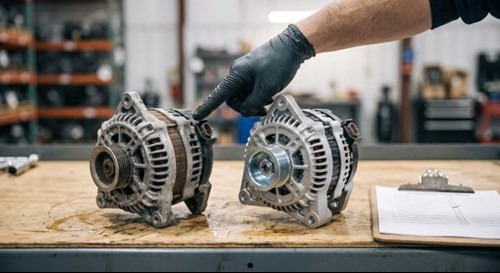
Dependable used auto parts begin with dependable sellers. A specialist yard or dismantler that deals only in late-model cars and has transparent testing and grading policies will generally produce superior outcomes to an anonymous web listing. Jasper Auto & Truck Parts, for example, has made a name for itself on consistent quality, stock that can be searched, and a staff that actually knows fitment, so you get fewer surprises and fewer returns.
Look for access to a real sales team, not just a shopping cart. A savvy rep can let you know whether a part from one trim or engine size will fit on another, explain the distinction between OEM and aftermarket parts, and warn you about common problems for your model. That matters a lot when you purchase from salvage yards, junkyards, marketplaces, or specialty stores, where the quality of information ranges.
Compare price, condition, and compatibility before you pay with online inventory tools. Several websites allow you to search by vehicle make, model, year, and even VIN, so you’re only shown parts likely to fit. This comes in handy when you want to compare a low mileage, higher priced part versus a less expensive unit with more use. Because used auto parts can be much less expensive than new, thorough comparison allows you to balance price and anticipated durability rather than guessing.
Inspection, inspection, inspection – even if you buy sight unseen. Ask for clear photos, videos, or written condition reports, and match what you see against your current part: connectors, mounting points, color, and included hardware. Review mileage, obvious damage, rust, and any comments regarding previous repairs or testing. Check warranties, guarantees, and return policies so you understand what happens if the part fails prematurely or isn’t as pictured. These steps, combined with some rapid research on the seller’s history, provide you a more transparent picture of dependability before the part even arrives at your vehicle.
1. Confirm Compatibility
Go with hard facts. Take your vehicle’s VIN, build date and complete make-model-year to find the precise part number. Then verify that number against the listing or the yard’s system. A lot of newer dismantlers utilize computerized lookup tools that connect VINs to what parts can fit across years and trim levels, so you don’t order something that nearly fits but will cause issues later.
Have a simple checklist ready: engine size, fuel type, transmission (manual or automatic), drivetrain (front‑, rear‑, or all‑wheel drive), body style, and trim level. When you talk to staff, have them verify OEM part numbers and if any aftermarket options are similar spec. Spending a few minutes to check these details in advance reduces expensive returns, wasted shipping, and more time with your car out of commission.
2. Verify Mileage
Mileage provides you an immediate snapshot of wear and probable longevity, especially for engines, transmissions, steering racks and differentials. Request odometer readings from the donor vehicle or system printouts that display documented kilometers, and jot those figures down with the stock or invoice number so you can trace what went into your automobile afterward.
If you have comparable parts, check mileage side by side rather than price alone. A marginally more expensive, low‑mileage alternator or gearbox is often cheaper in the long term than a dirt‑cheap high‑mileage unit that breaks early and needs to be replaced again.
3. Review Diagnostics
For big ticket items, raw miles aren’t sufficient. Ask for any diagnostic reports, bench-test results, or compression readings if it’s an engine, starter, alternator, or transmission. Ask how the seller tests them in house. A piece that has already cleared simple electrical or pressure testing won’t be as likely to give you grief after installation. If you have access to a repair history, such as a rebuilt transmission, check what was replaced and when. Retain copies of those documents with your service records for warranty and future diagnostics.
Diagnostics help you see warning signs. Repeated fault codes, low compression on a cylinder, or irregular charging output all indicate the parts that still run but have a shorter life left. Leveraging this information to screen your choices cuts down on surprise failings once you’ve already invested in labor.
4. Inspect Visuals
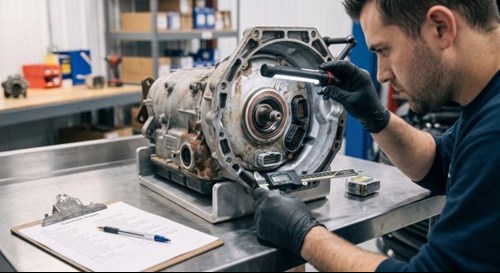 Just because a part checks out on mileage and testing doesn’t mean the physical condition isn’t important. Seek out high-resolution photos or videos of the actual part, not stock images, and get up close and personal with seals, plugs, housings, and mounting ears. New fluid leaks, bent brackets, or heavy corrosion are clues to keep looking. If the vendor provides an internal warehouse inspection, request a short written report that verifies there are no cracks, broken tabs, or visible repairs.
Then, contrast the visual specifics with the piece remaining on your car. Verify plug shapes, pin count, hose diameters, and mounting hole configurations. For body and interior pieces, verify color codes and finish so you don’t end up with a panel or seat that looks out of place. Make a little checklist of included hardware, like sensors, brackets, bolts or caps, to prevent your job from coming to a screeching halt during installation because of one small missing piece.
5. Check Policies
Before you commit, read the seller’s shipping, returns, and exchange policies carefully, including any fine print on electrical components or engine internals. Specify who covers lost or damaged goods in transit, what evidence you have to provide, and how claims are processed with the shipper. Inquire about additional charges for freight, handling, or rush delivery, and add those to your overall cost, particularly for heavy, pallet-shipping items. Take note of the seller’s business hours, phone numbers, and email or chat options so you know how to contact support for tracking updates, warranty questions, or issues once the part is installed.
The Hidden Market Friction
This hidden friction once defined the used auto parts market. Buyers had to call numerous yards, speculate on quality and pray the piece would fit. With online platforms and stronger data, most of that friction is gone. It’s not perfect yet, but it’s a lot more open and a lot simpler than even five years ago, which shifts how consumers evaluate cost, risk and time.
One big shift is transparency. Most sites now connect inventory from hundreds of recyclers, display part numbers, fitment years, and high-definition photos, and offer straightforward returns policies. Purchasers with a 12-year-old ‘Stang or 20-year-old truck can filter sort by price, mileage on the donor vehicle, and distance. This makes an option that once felt like a gamble seem more like a typical price versus quality tradeoff. For older or more obscure models, where new OEM parts may be completely discontinued, the financial argument becomes even more compelling. It is that hidden market that keeps those cars on the road at a price that still makes sense, instead of forcing early scrapping.
Inventory gaps and mix‑ups still slow things down:
Regional habits contribute additional friction, even within a single nation. In Canada, dense corridors in southern Ontario or British Columbia likely get better stock and faster ground shipping, while buyers in the Prairies or north endure longer lead times and heavier freight costs, particularly if they’re buying heavy items like engines or gearboxes over 100 kg. Winter storms, spring floods, long-distance routes, and holiday peaks can all bog down carriers, so buyers who schedule a repair around a certain date typically build in a margin. Simple habits help: confirm the exact part number, ask the sales team to check the part on the shelf, and get tracking details once it ships. Advance contact with the seller reduces ambiguity, brings issues to light quickly, and eliminates double work at the garage.
Manage Transit and Safe Arrival
Safe transit of used auto parts begins with who moves the shipment, how it’s tracked, and what happens the moment it arrives at the gate, garage, or border. To minimize loss, delay, and litigation, the part must get to its destination in the right condition and within any statutory time limitations.
Freight Requirements
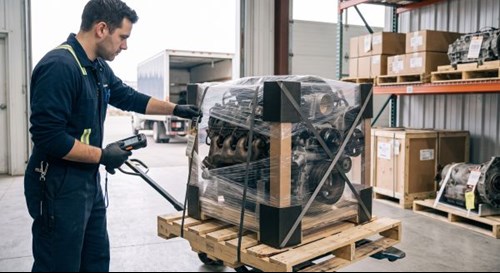
Big engines, gearboxes, body panels and loaded pallets frequently travel as freight — not parcel. Nationwide auto parts carriers understand how to handle odd shapes, oily patches and weights over 70kg. They know regulations for dangerous goods, such as airbags with inflators or acid batteries, that can cause additional labels, documentation or restricted paths. When you bring in a vehicle or big kit into Canada, timing is everything. They typically want the car out of Canada in around 30 days, or transferred to a rental company who consents to taking it out within that timeframe.
Freight orders rely on accurate delivery information. Address includes building number, unit or bay, entry instructions, and accessible phone or email. The repair shop, inspection center, customs warehouse, or other relevant locations that will be receiving the part need to be listed appropriately. In case the automobile or chassis will eventually be checked by an inspection center authorized to import rules, take such a site as the delivery point if possible. That can reduce additional touches, reducing damage and charges.
Most carriers will provide liftgate trucks, appointment delivery or inside drop for an additional fee. These choices make a difference if you freight large engines to a boutique garage with no forklift or deliver a trailer axle to a front driveway. Mobile homes and trailers have their own import and registration regulations and some don’t come through programs like the RIV, but they do adhere to other rules such as where and how cargo is unloaded.
Determine if it is a parcel or freight depending on size, weight, and materials.
Provide the full address, contact information, and access notes to the carrier.
Request liftgate or special handling for heavy or awkward pieces.
See if the package is going to an inspection center or a repair shop.
Check special rules for trailers, mobile homes, or exempt vehicles.
Damage Protocol
Damage control begins on the truck. Inspect labels, count each box and match numbers to the packing list before you sign. Check for crunched corners, ripped stretch wrap, oil stains or broken straps on pallets. While used auto parts can have wear and tear, they should never arrive bent, cracked or missing important pieces that were listed, like sensors, brackets or wiring. For imports connected to tariff regulations, such as financed cars imported from the US, an accurate description of the good on the documentation assists in establishing goods ownership and worth, which can be relevant later on if a claim arises.
If you spot an issue, wait on delivery. Take pictures of both sides of the box or pallet, the shipping label and the damaged area. Catch the inside of the package as well, with padding and positioning. Save it if the part was loose in the box or if the pallet shifted on the truck. Notify the driver in a calm, matter-of-fact manner and annotate “received damaged” or “subject to inspection” on the delivery slip instead of a complete refusal unless the part is obviously unserviceable.
Then, e-mail the photos, tracking number and a brief note to the seller on the very same day. Most vendors have formal claims procedures and might need you to lodge a form within a specific period. Hold on to packaging, pallets and labels until the case is closed as insurers and carriers like to see them. This responsibility holds when shipping specialty vehicles. Certain units, such as ambulances, hearses, and other emergency vehicles, may be exempt from some import regulations or case-by-case letters, but parts shipped for them still require these clear records in case of transit damage. Even vehicles that skip certain registration programs still sit under other regulations, so a clean paper trail keeps you covered if customs or a carrier flags issues down the road.
Jasper Auto & Truck Parts
Jasper Auto & Truck Parts is the largest supplier of used auto parts in Edmonton and ships all over Canada and North America. The operation is based on a 14-acre auto wrecker’s yard, which allows for space amongst a huge variety of vehicles, spanning from small cars to large trucks. This scale enables them to maintain a deep inventory and provide parts that fit thousands of makes, models, and years, including those that are no longer in regular production.
Central to their business is a full stock of used and selected new parts. Wrecked cars and trucks that come into the yard aren’t junk. A lot of parts like engines, transmissions, doors, lights, and electronic modules can be recovered, tested, and cleaned. These used parts are then cataloged so staff can search by vehicle type, part number, or system. Big rigs and other vehicles that can no longer offer parts are crushed and shipped off for scrap with an industrial-grade crusher that can crush any size car or truck. This circulating metal and other materials again promote recycling and decrease the need for new raw materials.
There’s a knowledgeable team behind this inventory. Staff can help match compatible parts when the original piece is discontinued or when the customer is not sure what will fit their vehicle. For instance, they could recommend a substitute alternator from a comparable vintage or a matching door assembly from a brother brand under the same parent company. This hands-on assistance takes the guesswork and wrong-part-ordering risk out.
Jasper Auto & Truck Parts provides towing for vehicles of any size, with wrecks or stranded vehicles getting emergency towing services. As soon as a vehicle or part is good to go, used auto parts can be sent out to customers throughout North America with delivery options available across Canada depending on timing, price and distance. Send JasperAuto & Truck Parts to find out what’s in stock, how much it costs and shipping info.
Conclusion
Used auto parts really can cut repair costs in a big way and keep a car safe and sharp. A defined search strategy assists. So does a short list of trusted yards and sellers. Buyers who verify part numbers, request detailed photos, and read terms typically escape drama down the road.
The market still has holes. Certain yards don’t stock online. We’ve even had some sellers slap parts into a box in a rush. Quality providers shine through quickly. They return calls, provide honest information and deliver when they said.
As a next step, start small! Select a part you need today. Shop around, look at prices, check the yard’s reputation, and call to ask direct questions before you commit to pay.
Frequently Asked Questions
How do I find the right used auto part for my vehicle?
Verify your vehicle’s make, model, year, engine size and VIN. Keep this in mind when you’re looking online or calling a recycler. Be sure to double check part numbers and compatibility with the seller prior to purchase to avoid returns and fitment problems.
Are used auto parts reliable and safe to use?
Yeah, when you get it from good recyclers. Seek out refurbished parts and try to find used auto salvage shops that offer warranties on their parts. Inquire regarding mileage, condition and if it is an OEM part. Well-vetted used parts are safe and durable.
Can I order used auto parts from nationwide suppliers?
Yes. Shipping all over the country from many dismantlers and recyclers. Utilize online inventories, parts locators, and marketplaces. Verify shipping fees, arrival dates, and shipping packaging to make sure everything ships securely and arrives punctually.
What should I check before buying used parts online?
Check the seller’s reputation, reviews, and business information. Verify part fit, condition, mileage, and warranty. Request pictures and test fit sign-off. Ensure there is a return policy and safe payment methods.
How are used auto parts shipped safely?
Good dealers will pack with the right boxes, padding, and labels. Heavy items are frequently sent on pallets. Request tracking numbers and insurance for valuable parts. Make sure fluids are drained and packaging complies with carrier and safety regulations.
Why do prices and availability vary so much for used auto parts?
Differences are based on supply, demand, mileage, location, and part condition. Certain parts are scarce or in demand, which drives up prices. Various recyclers have different overhead and testing standards, which impacts cost and inventory.
What makes Jasper Auto & Truck Parts different from other suppliers?
Jasper Auto & Truck Parts specializes in quality tested components, precise fitment verification, and shipping anywhere in the country, all at competitive prices. With a focus on precise part matching, quality packaging, and transparent customer support, the company’s approach helps minimize returns, delays, and unseen expenses for purchasers.
| Feature / Aspect | OEM Used Parts | Aftermarket Parts |
|---|---|---|
| Source | Original vehicle manufacturer | Third‑party manufacturer |
| Typical price | Medium | Low to medium |
| Fit / compatibility | Usually exact match when VIN‑matched | Can vary by brand |
| Pros | Reliable fit, factory specs, easier installation | Lower initial cost, wide availability |
| Cons | Sometimes higher price, limited stock by year | Possible fit issues, quality varies widely |
| Common issue | Impact on buyer |
|---|---|
| Outdated stock lists | Order placed, later canceled or swapped, repair date pushed back |
| Wrong part version or revision | Extra workshop time, return shipping, risk of fitment failure |
| Incomplete assemblies | Need to buy added pieces, cost and delay grow |
| Poor or vague grading | Hard to judge wear, higher chance of early part failure |
| Limited testing before sale | More dependence on return policy, more back‑and‑forth with seller |


Frequently Asked Questions
How do I find the right used auto part for my vehicle?
Verify your vehicle’s make, model, year, engine size and VIN. Keep this in mind when you’re looking online or calling a recycler. Be sure to double check part numbers and compatibility with the seller prior to purchase to avoid returns and fitment problems.
Are used auto parts reliable and safe to use?
Yeah, when you get it from good recyclers. Seek out refurbished parts and try to find used auto salvage shops that offer warranties on their parts. Inquire regarding mileage, condition and if it is an OEM part. Well-vetted used parts are safe and durable.
Can I order used auto parts from nationwide suppliers?
Yes. Shipping all over the country from many dismantlers and recyclers. Utilize online inventories, parts locators, and marketplaces. Verify shipping fees, arrival dates, and shipping packaging to make sure everything ships securely and arrives punctually.
What should I check before buying used parts online?
Check the seller’s reputation, reviews, and business information. Verify part fit, condition, mileage, and warranty. Request pictures and test fit sign-off. Ensure there is a return policy and safe payment methods.
How are used auto parts shipped safely?
Good dealers will pack with the right boxes, padding, and labels. Heavy items are frequently sent on pallets. Request tracking numbers and insurance for valuable parts. Make sure fluids are drained and packaging complies with carrier and safety regulations.
Why do prices and availability vary so much for used auto parts?
Differences are based on supply, demand, mileage, location, and part condition. Certain parts are scarce or in demand, which drives up prices. Various recyclers have different overhead and testing standards, which impacts cost and inventory.
What makes Jasper Auto & Truck Parts different from other suppliers?
Jasper Auto & Truck Parts specializes in quality tested components, precise fitment verification, and shipping anywhere in the country, all at competitive prices. With a focus on precise part matching, quality packaging, and transparent customer support, the company’s approach helps minimize returns, delays, and unseen expenses for purchasers.