

Key Takeaways
-
Auto recycling follows a rigid step-by-step process from vehicle arrival to metal crushing that safeguards workers and the environment. We record vehicles, safely drain fluids, dismantle parts, test components, upload the inventory, and recycle metal.
-
Safety and environmental compliance are front and center in every stage with certified fluid handling, hazardous waste isolation, and emissions monitoring. Facilities track materials, use spill-prevention equipment, and report quantities for complete transparency.
-
Quality assurance creates confidence via strict inspection, industry part grades and transparent warranties. Assured parts test to a specified level of performance so purchasers can select proven parts with confidence.
-
Opting for recycled OEM parts fuels Edmonton’s circular economy and saves funds and resources. Recycled parts decrease the need to manufacture new ones, save materials, and reduce the carbon impact of repairs.
-
Customers get affordable repairs and great local connections that keep parts available and jobs in our community. Repair shops get reliable inventory and drivers can keep their vehicles going without breaking the bank.
-
It’s easy to get started with our sell a car, find a part, or quote request tools. For easy decision-making, use the online inventory, compatibility guide, and transparency in pricing.
An auto recycler in Edmonton is a licensed facility that buys end-of-life or damaged vehicles, reclaims usable parts, and processes scrap metal for reuse. In Edmonton, these yards adhere to Alberta standards for fluids, batteries, and tires and employ depollution systems to prevent oils and coolants from accumulating in soil and water. Most offer free quotes, same-day pickup within city limits, and e-transfer or cash on pickup. Parts are tagged, many with 30 to 90 day warranties, and VIN match-listed to support proper fit and safety. Our pricing is determined by weight in kilograms, current metal markets, and part demand. To assist you in arranging a sale or sourcing a part, our auto recycler guide below includes information on prices, paperwork, towing radius, and how to verify a recycler’s credentials.
The Auto Recycling Process
Our end-to-end process transforms decommissioned cars into parts, materials, and regulatory-compliant waste streams within a closed loop. Approximately 80 to 85 percent of a car can be reused or recycled, reducing landfill burden and reducing greenhouse gas emissions by millions of tons annually.
1. Vehicle Arrival
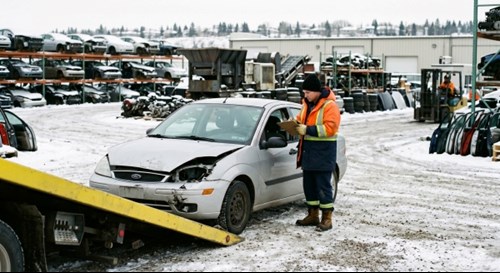
Employees log the unit, verify ownership, and check scans for liens and holds. That’s what keeps the chain of custody clean and prevents disputes.
A quick walk-around marks crash damage, missing components, battery hazards, and airbag status. Hazard notes inform safe-handling plans. Every car is assigned an individual tracking code linked to photos, miles, and VIN. That code tracks the car through the whole process.
Forklifts, wheel skates and lockout systems secure the car for safe movement within the yard.
2. Fluid Draining
Auto Recycling Process Teams pump engine oil, coolant, fuel, brake, and transmission fluid into sealed containers with closed-loop pumps and drip pans to avoid spills. Fluids are recorded by type and volume for reporting, then sent to approved recyclers. Clean fuel can be filtered and reused. Oil and coolant go to treatment and recycling streams. This step prevents leaks that may pollute the soil and water.
3. Parts Dismantling
Reusable pieces come off first: engines, gearboxes, alternators, starters, ECUs, infotainment units, lamps, seats, mirrors, and wheels. Torque wrenches, trim levers, and non-sparking sockets are just a few of the tools that prevent damage to valuable parts.
Sorted bins, by system and grade. Good bumpers, doors, and glass go to resale. Cracked plastics and worn pads go to recycling or environmentally compliant disposal.
Tires are yanked for shredding, then repurposed into road mixes, playground padding, or new auto products.
4. Component Testing
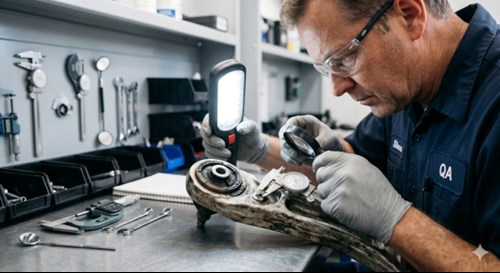
Techs bench-test starters, alternators, and ECUs and compression-test motors. Results go into the record to steer resale price, warranty tier, or a refurb plan.
Whatever breaks gets fixed, remanufactured, or scrapped for material recovery. Diagnostic rigs simulate load, voltage, heat, and CAN signals for predictable performance.
5. Digital Inventory
We list every usable part with photos, specs, fit years, and condition notes. A special inventory ID ties shelf location, test logs, and price.
Systems update automatically and in real time so staff and buyers see live stock across channels. Transparent information streamlines sorting, minimizes bounce-backs and keeps the flow going.
6. Metal Crushing
Once harvested, the shell is stripped and compacted. Industrial crushers break down and reduce size to transport safely and cheaply.
Magnets and eddy-current systems separate ferrous from non-ferrous materials, supplying mills where scrap is smelted down and repurposed. Non-recyclables are disposed of to standards to prevent harm, and tracked tonnages demonstrate environmental gains.
Our Environmental Commitment
We run our Edmonton's auto recycling operations with a clear goal: cut waste, protect water and soil, and keep usable parts in the market. Since roughly 80 to 85 percent of every vehicle can be reused or recycled, ours is designed to reach that level. We abide by local and national regulations, invest in cleaner technology, and educate our crew and consumers on responsible measures that mitigate risk and create value.
Hazardous Waste
We segregate batteries, airbags, mercury switches, refrigerants, and fluids upon intake. Trained employees use checklists and pull sheets to identify risk components prior to disassembly, which prevents oil leakage, chemical spills, and heavy metal contamination of soil and water.
We put all of our hazardous materials into locked, labeled, and UN-rated containers with secondary containment. Fluids are drained into sealed vats, and acids and solvents remain isolated to prevent reactions.
Certified partners dispose or recycle dangerous materials. For instance, they send airbags to authorized deflators, refrigerants to reclamation, and lead acid batteries to smelters.
We track volumes, dates, and chain of custody for every shipment. These records facilitate audits and serve regulatory requirements.
Resource Conservation
We focus on high-yield recovery, including engines, transmissions, catalytic converters, doors, glass, wiring, steel, aluminum, and copper. We reuse first, then remanufacture, and then recycle scrap metal in a closed-loop system, melting and refining metals for new products.
We drain and filter oils, coolant and washer fluid for reuse when safe, and recycle packaging, including plastic wrap and pallets. Recycling steel from vehicles conserves significant energy, enough to fuel an average house for months, and prevents landfill disposal.
We reduce water consumption with closed-circuit wash bays and oil-water separators. LED lighting, timed compressors, and idle-off policies decrease energy loads every day.
Suppliers and haulers adhere to our specifications on reusable totes and returnable crates to reduce single-use waste.
Emission Reduction
Local processing cuts transport miles and reduces greenhouse gases. Metal recycling alone sidesteps the high emissions of virgin mining and smelting by millions of tons annually. Customers opting for recycled parts minimize new manufacturing demand, which multiplies savings across repairs.
We service forklifts, balers, and fluid stations to keep emissions and leaks down. We monitor fuel consumption, electrical usage, and scrap recovery. Then we set and publicly post annual goals and results, demonstrating consistent, meaningful advances.
Why Quality Matters
Quality safeguards consumers, the environment, and the entire value chain. To an auto recycler in Edmonton, quality parts reduce repair costs, minimize waste, and keep toxic fluids from leaching into the ground and water. Robust controls satisfy standards, enable equitable pricing, and assist mechanics and drivers in trusting refurbished parts as much as new ones.
Rigorous Inspection
Each rescued component receives a thorough cosmetic and operational inspection prior to resale. Teams inspect for cracks, rust, leaks, warping, and heat damage. Electrical components are bench-tested. Moving components are measured for play and noise. Seals and threads are validated.
Inspectors observe wear and repair history when known, and compatibility for several models. They verify OE numbers for compatibility and cross-check catalog data to prevent mismatches. This is important when parts go across trims or markets.
Standardized checklists direct each step so nothing gets missed. Brakes, engines, batteries and airbags come on separate lists due to higher risk, while fluids such as oil, coolant and brake fluid are drained, stored and processed to avoid leaks that can contaminate thousands of liters of groundwater.
All results are recorded with images, test values, and component identifiers. Digital records lend traceability and help warranty claims. They demonstrate safe handling of things like antifreeze, which animals can’t get enough of, per environmental regulations.
Part Grading
We score every component for condition, age, and test results. For instance, a low-kilometer alternator with clean bearings grades higher than a high-kilometer unit with light noise.
Labels specify grade, main defects and live usage notes, so customers realize what they are buying. It helps shops to plan installs and customer expectations.
Grading has everything to do with price. More expensive parts are cleaner. Budget ones still pass safety tests. This helps make recycled parts a cost-effective, eco-friendly alternative, reducing the strain on new production.
Criteria are reviewed regularly to reflect market standards and return data. That keeps recovery rates high, usually 75 to 86 percent by weight, and drives toward landfill diversion of as much as 80 percent of a vehicle.
Performance Guarantees
Certain parts include warranties explaining term, coverage, and return procedures in layman’s terms. Coverage varies by category. Engines have compression limits and ECUs require pass-through test evidence.
Warranties demonstrate faith in tried components and purge flaky inventory. They back compliance, ease disputes, and signal safer, greener options that save energy. Steel recycled can save approximately 60 to 74 percent versus new steel.
These strong assurances distinguish recyclers from informal vendors without documentation, liquid management, or certificates of origin. That distinction protects human health, water, and air and delivers reliable components to drivers and mechanics.
Edmonton's Circular Economy
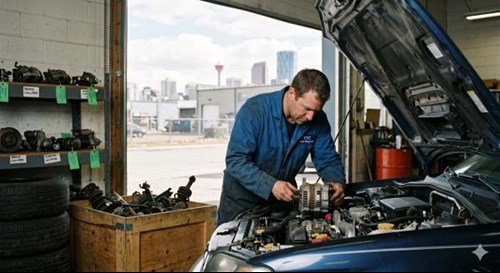
Auto recycling in Edmonton exists within a broader, citywide effort to retain materials in circulation, reduce waste, and support local employment. The city aims for net-zero emissions by 2050, and circular activities—reuse, repair, and remanufacturing—bolster that ambition by reducing demand for new raw materials and reducing lifecycle emissions. Grants through the Circular Economy Grant (CEG) program, ranging from $5,000 to $25,000, support community initiatives, including refillery stations and a “Scrappy Kitchen” to a compost demo centre, as well as educational sessions that instruct residents on waste reduction. Auto recyclers align with this same ethos by salvaging engines, transmissions, doors, electronics, and metals so they get a second life instead of landfills.
Local Jobs
Edmonton's auto recyclers generate sustainable employment in dismantling, testing, parts grading, inventory, sales, and logistics. One yard can accommodate hazardous fluid technicians, parts inspectors, and e-commerce clerks.
Commonly, operators educate employees in safe depollution, quality control and digital cataloguing. Entry-level hires find out how to drain and store fluids according to provincial regulations and then transition to diagnostics or warehouse leads.
Paychecks flow locally. Workers support families, rent shops, and purchase services, retaining value in the community instead of exporting it with scrap.
These are green industry jobs. Teams reduce emissions through parts reuse while adhering to provincial environmental laws and regulations that ensure proper handling of batteries, oils, and refrigerants.
Affordable Repairs
Recycled parts provide affordable substitutes for bumpers, alternators, mirrors, and wheels. Refurbished machines, marked with mileage and condition, sell for a fraction of new.
This allows drivers to hold onto older vehicles. A used transmission can delay a big ticket item and extend a car’s lifespan for years.
Shops take these parts and quote budget alternatives beside OEM. Our customers select what works for their plan, not just what fits the car.
Lower parts prices drive down total cost of ownership. Fewer new parts means less mining and less energy use.
Industry Support
Recyclers provide local repair shops and dealerships with VIN-specific engines, body panels, sensors, and airbags. Several yards exchange live inventory information so mechanics can look up parts quickly and minimize customer downtime.
They collaborate with manufacturers and peers to optimize dismantling practices, fluid recovery and data-wiping for electronics. Knowledge swirls through workshops, city info sessions and pilot projects such as the Market to Market initiative or the bike trade-up program that model reuse at scale. As time goes on, quality gets better, grading becomes more consistent and availability increases throughout the region.
Choose Recycled Parts
Recycled Edmonton auto parts provide an immediate avenue for repairs and upgrades. They reduce expenses, extend the life of older vehicles, and encourage the use of sustainable materials with no compromise on safety or fit. It depends on make and model, so deal with trustworthy yards that check and test parts prior to selling.
Cost Savings
Recycled parts can be 30 to 70 percent cheaper than new ones. A used OEM headlight assembly for a mid-size sedan can be 120 to 180 CAD, whereas a new one can be 350 to 500 CAD. A recycled alternator might be 90 to 140 CAD versus 250 to 380 CAD new. For commercial fleets, those holes add up across multiple vehicles.
The secret is value without scrimping. Most trusted Calgary auto recyclers offer part grading, pictures, test results, and limited warranties. You pay for utility, not for retail markup or fresh packaging.
For budget-minded drivers, this frees up cash for tires, fluids, or safety inspections. For shops, it assists them in hitting quotes while still being competitive in fierce markets.
OEM Quality
Nearly all recycled parts are OEM parts removed from donor vehicles. That translates to factory fit and finish, correct sensor ports, and proper mounting points. It takes out the guess work that can accompany some after-market items that can be hit or miss in terms of tolerance.
Quality control counts. Set recyclers stock by VIN, do run compression or bench testing where applicable and even check wear metrics. Modules are typically scanned, and engines may have oil pressure and leak-down notes. This really helps recycled OEM parts perform like you’d expect.
Direct compatibility. Look up parts by part number, trim and year so you don’t get misfits. When in doubt, request interchange data and test logs to gain confidence.
Eco-Conscious Choice
By opting for recycled parts, you help minimize new manufacturing, mining, and energy consumption. Every recycled fender, wheel hub, or infotainment system that stays in play reduces the material that goes to landfill.
This option reduces the carbon footprint of repairs in an immediate, quantifiable fashion. It comes in handy when new parts for older models are out of production, stretching a vehicle’s useful life.
It can take time to source, and not all parts are available in stock. Yet a quick search typically trumps the eco and financial footprint of factory-fresh, resource-hungry parts.
Conclusion
Auto recycling in Edmonton just plain old makes sense. There are fewer raw parts pulled from the earth. There is less landfill waste. There is an extended life for reliable, proven parts. Auto recycler Edmonton shops get cars on the road for less and drivers keep money. The air remains cleaner! That’s real gain you can measure.
Think of a small job: swap a mirror, a door, or a headlamp. An OEM used part fits clean, looks right, and costs less. For a larger fix, a refurbished engine or transmission can reduce the bill dramatically. You assist the city in achieving its green targets as well.
Ready to begin? Call our team, request a part by make, model, and year or stop by the yard in Edmonton. We’ll sort it quick.
Frequently Asked Questions
What is the auto recycling process in Edmonton?
We depollute vehicles responsibly, extract reusable parts and recycle metals. Fluids are drained and treated. Any usable parts are cleaned, tested and cataloged. Any other material is shredded and shipped off to certified mills. This minimizes waste and bolsters Edmonton’s circular economy.
How do recycled auto parts help the environment?
Recycled parts reduce the need for new manufacturing, save energy, and reduce emissions. Responsible recycling keeps metals and plastics in circulation and out of landfills. Appropriate fluid management protects soil and water. That’s why when you opt for recycled parts, you’re helping create a cleaner and more efficient auto industry.
Are recycled auto parts reliable and safe?
Yes. Good recyclers can check, test, and grade parts. A lot of them have guarantees and returns. Fitment data guarantees that it will fit your car. This provides reliable performance at a better price, with guaranteed sourcing and trackable inventory.
How do I know if a recycled part will fit my car?
Give us your VIN, year, make, model, and engine. We cross parts with industry databases and fitment guides. We verify compatibility prior to sale. No wasted time or returns with perfect part matching.
What does “Edmonton’s circular economy” mean for drivers?
It extends the life of materials and puts recycled parts and metals back in supply, reducing expense and waste. By recycling locally, we’re supporting jobs, cutting transport emissions, and bolstering availability of parts for Edmonton drivers and repair shops.
Why should I choose recycled parts over new ones?
You’re saving money and the environment. Tried used components satisfy OEM specs and many times perform like new. Immediate availability minimizes downtime. Warranties and expert support bring peace of mind and value.
How can your team help me find the right part fast?
Post your VIN and part requirement. We scour our inventory and linking partners in real time. You receive approved choices, transparent pricing, warranty, and delivery or shipping options. Our pros walk you through from selection to install support.
Want to learn more? Explore Jasper Auto & Truck resources:
Helpful external resources:
Vehicle Safety and Standards Guidelines
Vehicle Registration Overview & Services
Vehicle Information Report (Check Vehicle History in Alberta)