
Key Takeaways
-
Our used auto parts in Edmonton provide you with significant cost savings and OEM quality and reliability. Check prices between suppliers and opt for parts with transparent warranties to safeguard your investment.
-
Recycled parts contribute to fewer carbon emissions and less waste in landfill sites. Choose used for a sustainable choice that doesn’t compromise power.
-
Precise matching avoids hazards and expensive returns. Use the VIN, OEM part numbers, interchange guides, and inspect before purchase.
-
OEM parts should be a priority for safety-critical systems. Get professional counsel for engines, transmissions, brakes, airbags, and emission controls so you know they will fit and work.
-
Connect with a trusted Edmonton recycler for live inventory, quality control, and solid warranty coverage! Benefit from local know-how and clear policies for a hassle-free ride.
-
Maintain documentation from search to installation. Track IDs, production and trim details, and receipts. Monitor performance post-install to detect issues early.
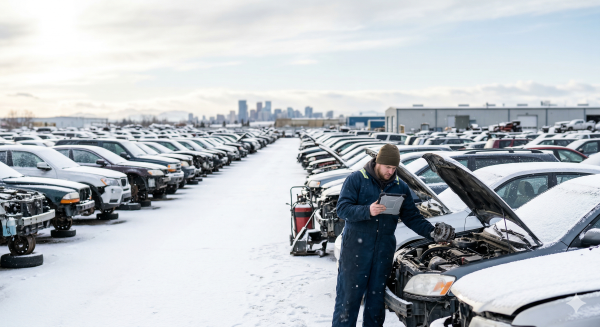
Used auto parts Edmonton is used vehicle parts from salvage yards, recyclers and parts stores throughout the Edmonton area. Customers discover engines, transmissions, body panels, tires and electronics for less than new parts, generally with limited warranties and exchange policies. Most providers have inventory search by make, model, year, or VIN, along with same-day pickup and delivery around the city. Prices differ depending on part grade, mileage and test status, but frequently sought items such as alternators or mirrors are often in stock. Trusted yards list provenance, fit guides and photos to help match OEM specs. To reduce wait time, some yards will pull parts for you, while others are self-serve. The following parts identify leading sources, standard pricing and wise pre-purchase checks.
Why Choose Used Auto Parts?
Used auto parts are more affordable, less wasteful, and guaranteed to fit thousands of Edmonton and beyond makes and models.
The Cost Savings
Used parts can be a fraction of the price of new, without much loss in performance for many things. A used windshield may be $50, while new glass costs $150 to $300 or more. Used engines and transmissions can reduce bills by thousands; this counts when a full powertrain swap stretches a budget. A lot of buyers find used parts more affordable than third-party new parts, and they still receive tested, proven performance.
-
Fixing up daily drivers with used bumpers, doors, or mirrors from a little kiss.
-
Replacing cracked alloy rims or hubcaps and not paying premium new prices.
-
Swapping alternators, starters, or AC compressors on high‑mileage cars
-
Keeping older trucks rolling with used axles or transfer cases.
-
Repairing chips or cracks with used auto glass and window regulators
Good prices in good yards are derived from open grading, testing when possible, and warranty policies that follow the industry standards. When sellers adhere to voluntary standards and disclose wear, buyers pay for what they receive—no padded margins, fewer surprises, and more consistent maintenance expenses throughout the year.
The Environmental Impact
Reusing auto parts reduces the carbon footprint by increasing the longevity of metals, glass, and plastics already produced. Each recycled door, rim, or headlight postpones the fuels and raw ores demanded for new.
Auto recycling removes fluids, batteries and airbags in monitored processes, which prevents these dangerous substances from leaking into the environment. Scrap metal is segregated, and only bona fide end-of-life components make it to smelters or controlled waste channels.
When you choose used parts, you reduce landfill capacity and save resources such as steel and aluminum. It decreases the need for new, resource-intensive manufacturing, which contributes to more sustainable supply chains.
Drivers aiming for greener options can begin with used glass, rims, and body panels. These easy exchanges accumulate.
The OEM Quality
Since much of our used parts come directly from donor vehicles, they are authentic OEM parts that match factory fit, wiring, and tolerances. That close fit assists with quick installs and fewer comebacks.
For safety and long-term reliability, OEM quality is the way to go. Wheel rims, auto glass, sensors, and interior modules are some of these components that, when inspected and graded, tend to be just as good as new.
|
Feature |
OEM Used Parts |
Non‑OEM New Parts |
|---|---|---|
|
Fit |
Factory‑exact |
Varies by brand |
|
Durability |
Proven in field |
Spec‑sheet only |
|
Compatibility |
Matches software/hardware |
May need tweaks |
|
Cost |
Low to mid |
Low to mid |
Look for OEM for engines, transmissions, brakes, airbags, and emission controls to maintain performance and compliance. Many yards list VIN matches and test results online, so the right pick is easy.
How to Match Used Auto Parts

That kind of accurate matching cuts out the guesswork, saves time, and saves returns. Start with a short checklist: VIN, exact year and build date, engine size, drivetrain, transmission type, original part number, donor mileage, service history, and needed accessories (sensors, brackets, harness). Plus warranty, return policy, and photo request. Employ online inventory tools, then check with knowledgeable staff before you purchase.
1. The VIN
Locate the VIN on your dash plate, door jamb sticker or registration. Enter it into recycler or dealer systems to secure the exact make, model, year, engine, transmission and key options.
VIN search narrows trim-level factors that frequently alter connectors, mounting points or software. It links to the build date, which splits parts within the same model year. Skip the VIN and you get mismatched parts that almost fit but do not seal or align or code.
In online tools, a VIN-based filter draws up customized results and highlights suitable interchange alternatives. When available, provide the VIN to employees to run compatibility checks further.
2. The Part Number
Grab the OEM part number off the old part label or your service manual. Have the seller verify the exact OEM number and supersessions.
You can cross-reference that number in supplier databases to get valid swaps. Part numbers disclose minor variations such as sensor pins, pulley offset, or bracket style that photos overlook. Save part numbers for future jobs and faster reorders.
3. The Interchange
Interchange is when one part fits multiple years, trims, or brands under common specs. Expert recyclers consult industry interchange guides and tables to verify these connections quickly and access bigger inventory pools.
This broadens options, frequently reducing both price and turnaround. Not all parts interchange. Body electronics, ADAS sensors, and immobilizers are fragile. Check with professional assistance and always match engine and drivetrain.
4. The Visual Check

Check for cracks, rust, bent tabs, fluid leakage, and stripped threads. Match side by side to the original to confirm shape, clocking, and bolt pattern. Verify connectors, mounting points, and measurements in millimeters.
Check donor mileage, service records and any grading (A/B/C/downgrade). If buying online, ask for high-resolution photos or a video call. Check warranty terms, reasonable returns and obtain paperwork that outlines conditions.
5. The Expert Opinion
For intricate modules, AWD components, or combo-year concoctions, have veteran mechanics or recycler personnel cross-reference VIN, build, and part numbers. They can mark coding requirements, firmware problems, or adapter necessities. Local auto recyclers in Edmonton and beyond use interchange data and hands-on inspection, minimizing risk and getting a clean sale done quickly.
Common Mismatching Mistakes
Shopping for used auto parts in Edmonton is an effective and frugal way to make repairs. Minor mismatching mistakes cause returns, delays, and safety hazards. Build a short checklist: verify VIN, part number, production date, trim level, connector style, sensor count, materials, and dimensions in millimeters. Verify warranty and return terms, and photo versus supplier specifications. Used parts are not low quality by default; a lot of them are tested or refurbished and will last years with minimal care. With the proper information, locating the perfect match isn’t difficult, and the selection of pre-owned components covers numerous brands and versions. Cross all your t’s and dot all your i’s before you buy.
Ignoring Production Dates
Even the same model year can break up into early and late builds with different sensors, mounts, or software.
-
Get the supplier’s version of the production date, which is usually the month and year stamped on the donor vehicle’s door jamb or build plate.
-
Match ECU/TCU software family and hardware revision to your build date.
-
Verify mid-year changes in connectors, spline counts, or emissions equipment.
-
Ask donor VIN to compare build month in parts catalog.
Mid-year changes are quite common. An ABS module from April might not match a November build because there’s a new harness pin layout. Engines, alternators and radiators can shift spec in the same year, so date alignment eliminates the guesswork.
Overlooking Trim Levels
Trim drives wiring, sensors, cooling capacity and accessories. Your base trim might employ a two-pin fan motor, while your premium trim will have a three-pin PWM unit. Seats, mirror assemblies and head units differ by trim and package.
Check the trim on the registration or door sticker before you look. Don’t forget to review option packages such as tow, cold weather, or sport.
Higher trims might require upgraded brakes, bigger radiators, or CAN-bus modules with different coding. Lower trims may not have harness leads for the features you want to add.
Make a trim-specific list: brake rotor size (mm), caliper type, harness part codes, camera counts, amp model, and tow package cooling parts. This targeted list speeds up sourcing.
Assuming Visual Similarity
Two alternators might appear identical but have different output, regulator logic or mounting offset. Here’s a typical problem with common mismatching mistakes: A control arm that ‘fits’ can move lines a few millimeters and alter tire wear.
Verify OEM or interchange part numbers, voltage and current ratings, tooth counts, bore diameters, and connector keys. Don’t trust pictures alone.
These little differences impact safety and performance. Airbag clocksprings, wheel speed sensors, and brake hoses are common traps.
Use a simple comparison table: list your specs versus donor specs (dimensions in mm, connector pins, software codes). This does a fast go/no-go check and prevents returns.
The Risks of a Bad Fit

Used auto parts are clever and economical, but a poor fit carries genuine security, efficiency, and monetary dangers. Compatibility checks, the right install, and quality suppliers mitigate those risks and safeguard vehicle integrity and customer trust.
Safety Concerns
Wrong parts cause system failure or unsafe driving. A caliper that doesn’t seat right can slice brake power. A wrong airbag module that won’t deploy or deploys late is also a risk. Steering racks with off-spec tie rods can cause play at speed. Any of these will result in crashes, injuries, or failed safety inspections.
OEM-quality and fittingness count. Match part numbers, build dates, engine codes, and trim options. Verify mounting points, connectors, software versions, and torque specifications. Secondhand parts from elsewhere increase risk if they were never checked or approved.
Prioritize safety-critical parts: brakes, airbags, seat belts, steering, suspension, and tires. If you’re unsure, don’t install. Look for units with test results or certification notes.
It’s on both the seller and the buyer. Sellers should post clear IDs and photos and test data. Buyers should verify VIN-based fit, read install guides, and use qualified shops to sign off the work.
Performance Issues
Unmatched components can leach power, increase fuel consumption, or cause errors. Coil packs with the wrong resistance can cause misfires. Transmissions may need a specific control module and calibration. Sensors with off-angle housings can feed bad data. A bad fit can stress nearby components and result in premature failure.
After install, monitor behavior: idle quality, shift feel, fluid temps, fuel use, and warning lights. Short test runs in urban and highway cycles assist in identifying early problems. Pause and double check if something seems amiss.
The Risks of a Bad Fit Compatibility drives peak performance and long service life. The closer the part is to the original spec—hardware and software—the better. When performance lags, see a specialist who can run diagnostics and check calibration.
Financial Setbacks
Buying the wrong part wastes money fast. Return shipping, restocking fees, and lost time contribute to the cost. Repeat mismatches pile on labor fees, rentals, and downtime, particularly with engines or transmissions that require expert installation and calibration.
Keep records: VIN, part numbers, supplier SKUs, photos, test notes, and install receipts. Good paper trails assist with warranties and avoid repeat mistakes.
Select good suppliers with understandable returns and warranty provision. Inspected and certified parts reduce risk. Professional installation by certified pros safeguards warranty and minimizes rework.
Beyond the Part Itself
Used auto parts Edmonton is not just a quick-fix. It’s a no-nonsense way to take back control over cost, reduce waste, and keep a car moving down the road. Diligence before purchase, clear pricing, good records, and care after install are where value comes from.
Verifying Part History
Ask for concrete details: prior vehicle model and year, odometer at removal, service notes, and any reconditioning done. A transparent history assists in gauging wear on alternators, control arms, or infotainment modules where previous use patterns are relevant.
Search for published quality safeguards and membership in respected industry organizations. Shops that record test results, barcode-tag inventory and use standard grading provide traceability. Combined with a 90-day warranty, those logs provide genuine reassurance.
Transparency breeds confidence. Respectable vendors will provide images, serials, and compatibility codes and might even allow you to examine casting marks or conduct bench testing. If the history is sketchy—no miles, no test sheet, no donor VIN—run. The vast array, easily searched online with a state-of-the-art locating system that searches stock throughout North America, allows you to search at your leisure for a crisper fit.
Understanding Local Pricing
Price is formed by local demand, season and supply. Winter can drive up heater and starter costs. Collision spikes can impact bumper and lamp assemblies. Rarer trims or diesel bits tend to track higher because of sparse availability.
Look at posted rates on different sites and in different stores. A lot of buyers begin online to narrow by part number and price, then come in to ‘touch and see’ if it’s really cared for. This is a great time and gas saving!
Fortunately, good suppliers use this discretionary pricing to keep it fair, matching quotes. Multi-part jobs get bundle rates and there is free delivery over a certain amount in the city. Always inquire about specials, volume discounts, or cash incentives. Little cuts add up on bigger repairs.
Post-Purchase Care
Go through the install steps in the service manual and replace paired items when necessary. New gaskets with engines, fresh fluids with gearboxes, and new seals on power steering pumps.
Monitor performance in the initial 1,000 kilometers. Listen for chatter, sniff for leaks, and scan for error codes. Maintain a basic record.
Report problems quickly. Share photos, order numbers and test results to accelerate resolution. Take advantage of the 90-day warranty and support lines. They’re there to assist.
Regular maintenance preserves individual components and vehicle longevity. This saves you money and is good for the planet. Purchasing used parts cuts waste and keeps parts in operation longer.
Conclusion
Used auto parts Edmonton provide genuine value. Prices go down. The fit can equal OEM. Inventory moves quick, so you better too. Verify the VIN and match the year, trim, and engine. Request test notes. Search for clear stamps and clean welds. Bring a picture of your piece. Little incremental progress reduces risk and saves time.
Local yards include extras. Little trips. Fast swaps. Reasonable core charges. A lot provide 30 to 90 day coverage. That comes in handy on big ticket parts such as gear boxes or axles. For a new construction, stir in used and new. For example, used door shell, new latch and seal. You receive strength and clean lines at a reasonable cost.
Here’s a part in Edmonton Let’s get your VIN and part code. Receive a quick match now.
Frequently Asked Questions
What should I check before buying used auto parts in Edmonton?
Confirm part number, VIN and compatibility with your trim and engine. Inquire about mileage, condition and testing. Ask for photos and warranty information. Check return policy. Trusted Edmonton recyclers can cross-reference OEM numbers for a precise match.
How do I match a used part to my vehicle correctly?
Use your VIN, OEM part number and build date. Compare connectors, mounting points, and sensor locations. Have the recycler verify interchange numbers. If you’re unsure, take the old part with you and we will do a side by side match.
Are used auto parts reliable and safe?
Yeah, sure, when it comes from reputable recyclers. Always seek out inspected, tested, and graded parts. Look for suppliers that provide written warranties and have a return policy. Correct fit and expert installation provide additional guarantees of safety and performance.
What are common mistakes when buying used parts?
Guessing compatibility, disregarding OEM numbers, bypassing visual comparisons, and neglecting software or coding requirements. Second, not checking warranties or return windows. Don’t hurry—check with the vendor first.
What risks come with a mismatched part?
Bad mileage, check engine lights, leakage, early wear and tear, and safety concerns. You could end up spending time and money on rework. In some cases, wrong parts can harm associated systems or void warranties.
Why choose a Edmonton auto recycler over online marketplaces?
Local recyclers provide certified inventory, professional fitment assistance, quicker delivery and convenient returns. Most offer warranties and test sheets. You decrease shipping emissions and promote responsible recycling in Edmonton.
What else should I consider beyond the part itself?
Examine warranty terms, return policy and grading. Inquire about installation notes, programming needs and accessories included, such as sensors and brackets. Check for green initiatives and certifications. Transparent records protect you post-sale.
Not what you were looking for? Browse some of Jasper Auto and Truck Parts' resources for finding the best parts and best rates for your truck.
You may also find the following resources helpful for additional reference.
Recycling Standards and Environmental Best Practice
Recycling and Dismantling Yards Across Alberta