
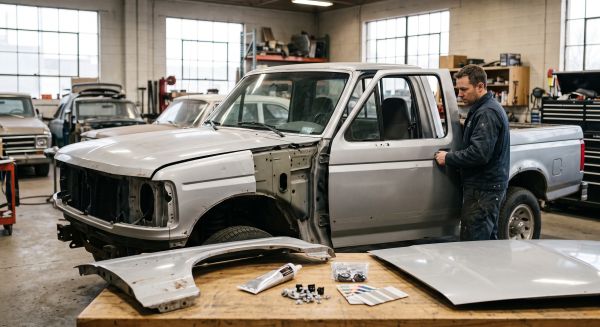
Recycled Body Panels: The Smart Way to Restore an Older Vehicle
Key Takeaways
-
Recycled OEM body panels provide tremendous value by minimizing repair costs, reducing landfill waste and carbon emissions, and preserving older or discontinued vehicles in their original, roadworthy condition. This makes them handy for Dailys and old-school or collector cars alike.
-
Recycled OEM panels fit and align better than aftermarket because they still have factory mounting points, contours, and material strength. Always double-check your vehicle specifics and part number compatibility, and dry-fit panels to inspect gaps, hinges, latches, and alignment prior to installation.
-
Recycled panels can decrease repair costs of brand-new components and insurance-associated fees. They typically keep you out of the custom shop and are often in stock for same day pickup or fast shipping, minimizing vehicle downtime.
-
Meticulous examination of hardware, weatherstripping, coatings, and concealed locations like seams and flanges guarantees structural integrity and long-lasting durability. By checking for rust, micro-deformations, previous repairs and tired seals, this results in safer, quieter and more reliable results.
-
We provide accurate VIN and factory paint code identification to ensure that the parts you need not only fit perfectly but blend perfectly. Taking into account sun fading, finish, and refinishing possibility gets you closer to a cleaner looking repainting of steel, aluminum, or plastic panels.
-
By working with specialty recyclers and providing year, make, model, VIN, and a clear parts checklist, you increase your odds of receiving top quality, correctly matched panels. This organized process enables affordable, sustainable, and expert repairs.
===
Recycled body panels are car or truck exterior parts that utilize reused metals, plastics, or composites rather than virgin materials. They’re usually from vehicle boneyards, factory scraps, or post-consumer plastic detritus that’s been sorted, washed, and reformed. A lot of panels meet standard fit and strength requirements, so they do well in repairs, custom builds, or small production runs. Some shops recycle body panels. Others deal with recycled blends for body panels. To clear up what actually qualifies as “recycled” and where it belongs in repairs, pricing, and green-ness, the sections below break down main categories, sourcing, and actual advantages and disadvantages.
Value of Recycled Body Panels

Recycled body panels represent the intersection of cost, quality of repair, and environmental impact. They assist motorists in maintaining automobiles on the street for a longer time without entering into junky or costly repairs.
Vehicle recycling involves recovering usable parts and materials from end-of-life vehicles, helping extend the useful life of components before the remaining materials are processed for recycling.
1. OEM Fitment
When a body panel is OEM, it lines up with the factory lines and gaps in a way that generic parts usually don’t. Recycled OEM panels maintain the exact same stamping, thickness, and geometry the car left the factory with. Mounting points, bracket locations, and curves line up with the existing structure, so shops spend less time bending, drilling, or shimming to make things work.
Majority of the recyclers will have every panel listed by year, make, model, and trim. That counts when one model year’s design refresh equals a minute change in fender or bumper shape. Matching part numbers on the donor panel and the damaged one is one of the surest checks. It minimizes installation surprises and preserves the car’s closer-to-stock integrity.
If you are looking for recycled automotive body parts, Jasper Auto & Truck Parts can help you explore used fenders, doors, hoods, and other exterior components for older vehicles.
2. Cost Reduction
Used auto parts are typically 20 to 80 percent less expensive than new ones, and body panels are no exception. That price gap can shift a repair from “not worth it” to “affordable,” particularly on older cars with low resale value. In certain markets, recycled parts sales approach $200 million annually, a testament to the extent to which repairers and owners rely on this cost savings.
For collision work, recycled panels can be the difference between an insurer totaling the car versus paying to have it repaired. Certain insurance policies promote used parts for keeping the claim costs down, which translates to lower premiums in the long run. Recycled panels allow you to sidestep custom fabrication when new parts are discontinued, like quarter panels on older sedans or rare imports.
3. Carbon Offset
Body panels are valuable when recycled, because each recycled body panel circumvents the entire energetic cost of mining, smelting, and stamping new metal. Aluminum is a clear example: recycling it saves over 90% of the energy needed to make new aluminum from ore. The value of the recycled body panels is significant; that energy saving translates into lower carbon emissions for every panel reused rather than remade.
Even factoring in transport and cleaning, the footprint of a recycled panel is way smaller than a new one. Recycling further reduces the need for new raw materials and reduces the amount of cars and scrap being dumped in landfills. The effect scales. An estimated ten percent of replacement parts used in repairs are recycled parts, which adds up across millions of vehicles.
|
Panel type |
Approx. CO₂ for new panel |
Approx. CO₂ for recycled panel |
|---|---|---|
|
Steel door panel |
100 units |
25–30 units |
|
Aluminum hood |
120 units |
10–15 units |
These are crude example numbers. They demonstrate the overall differential between new and recycled parts.
4. Immediate Availability
Recycled body panels are frequently already pulled, tagged, and prepared for same-day pickup or quick shipping from big dismantlers. That can save repair hours when new OEM panels are back-ordered or stuck in shipping delays. For most drivers, quicker access to a fender or door translates to fewer days in the rental car and more affordable expenses.
This speed is most relevant for older or discontinued vehicles where new stock is lean. In Canada, it’s estimated that around 25,000 rusting, retired jalopies are required annually to meet parts, panels, and such. By calling or emailing area recyclers with your vehicle details and photos of damage, you can help them verify stock and ship the correct part without multiple trips.
5. Material Integrity
One major benefit that OEM recycled panels have is that they maintain the factory steel or aluminum grade, which is engineered to work with the car’s crash structure. Certain cheap aftermarket panels use thinner metal or alternative alloys, which can influence how the car crumples in an accident and resist rust. An OEM recycled panel means original engineering, just second-hand.
We still have to check every piece. Shops and buyers should look for old repairs, filler, or bends in or around structural areas before they bolt anything on. Most dismantlers, for example, offer pictures, damage codes, or grading to indicate condition. The original factory paint, sealers, or rust protection on an OEM panel typically ages better than lower cost new coatings, so a nice recycled panel can remain functional for many more years.
The value of recycled body panels. It sustains local dismantlers, repair shops and logistics chains that extend vehicles’ shelf life rather than prematurely scrapping them. Recycled parts in collision repair give owners the option of a more affordable course of action, a quicker return to life on the road and vehicles a longer life that would’ve otherwise been totaled.
Factory Panels Versus Aftermarket
Factory panels, known as OEM panels, are from the same manufacturer that built the vehicle. Aftermarket panels are from third-party producers. Both can be recycled parts, but they act quite differently in the real world.
Factory panels tend to blend into the car’s lines, gaps, and curves with minimal fuss. They stamp to the original dies, so the panel sits where it should and shut lines stay even from door to rear quarter. Paint shops love OEM panels because the surface is smoother and requires less prep to maintain a clean finish. Most OEM panels have that one-year warranty, providing a little insurance if a weld seam rusts prematurely or a mounting tab flops. Aftermarket panels can still do the trick and they’ll often look fine, but quality varies a ton. One bumper cover aligns perfectly and another from a different batch requires filler, additional sanding, or even heat to coax it back into shape.
Fit headache strikes hardest with aftermarket panel alignment and mounting points. Bolt holes can be a few millimeters off and that forces the shop to slot holes, bend brackets, or stack shims. On a front fender that can actually push the headlamp or hood out of alignment, so gaps appear uneven. On a recycled OEM fender, the mounting holes generally fall right where the factory located the threaded inserts, so the tech can simply bolt it on and tweak in a smaller range. With lower-cost aftermarket stampings, steel can be thinner, so a door skin may ‘oil-can’ when you press it, or a recycled tailgate may flex more around the latch.
With classic or collector cars, factory panels are almost always the way to go. Original sheet metal helps keep the body lines true to the design, something that counts towards appraisals and resale value. A lot of purchasers are willing to pay a premium for a car that has OEM or OEM-equivalent panels, and certain insurance policies recognize this. In states like Oregon, insurers are required to disclose when non-OEM parts are utilized, and owners have the option to request OEM parts. For an older daily driver hatchback, however, a salvaged OEM-quality aftermarket fender can be twenty-five to fifty percent less expensive and still provide a durable repair where a show-quality finish is not required.
|
Aspect |
Factory (OEM) Panels |
Aftermarket Panels |
|---|---|---|
|
Manufacturer |
Original vehicle maker |
Third‑party companies |
|
Typical cost |
Higher baseline |
About 20–50% less than OEM |
|
Fit and alignment |
More consistent, minimal adjustment |
Can need trimming, shims, or hole rework |
|
Finish and prep time |
Smoother, often less bodywork before paint |
Quality varies, may need more sanding and filler |
|
Material thickness |
Matches factory spec |
Can be thinner or inconsistent |
|
Warranty |
Often about one year on many parts |
May be none or more limited |
|
Effect on resale value |
Helps support higher resale value |
Neutral or sometimes negative for high‑end vehicles |
|
Best use‑cases |
Newer cars, collector and high‑value models |
Older cars, budget repairs, non‑cosmetic locations |
Fitment and Alignment Verification
Fitment and alignment checks ensure that recycled body panels function, look proper, and don’t compromise the car’s integrity. We want clean gaps, straight lines, and full operation of any doors, hoods, or trunk lids without compromising safety or aerodynamics.
FITMENT & ALIGNMENT CHECKS – Prior to final installation, dry-fit the recycled panel on the vehicle. Hang the door, set the fender, or place the hood with all primary bolts finger-tight. Close and open it a couple of times and observe how it moves. Tighten the fasteners in small increments as you watch the panel move in relation to adjacent components such as headlights, bumpers, and the edges of glass.
The gaps should be uniform from top to bottom and front to back. Verify fitment and alignment by checking them with a plastic gauge or feeler strip at multiple points along the edge. Uneven gaps can indicate a bent panel, twisted hinges, or more extensive frame or suspension damage. It’s not just about appearance. Poor fit can increase aerodynamic drag, increase fuel consumption, and even alter how crumple zones function in a collision.
Verify fitment and alignment. Check for proper fitment and alignment. Doors and trunk lids should latch with a firm but easy push, not a slam. They should sit flush with the next panel, not pulled in or pushed out by worn hinges or misaligned strikers. If the panel binds or hangs, or springs back, halt and repair the alignment or replace the hardware.
For a quick check, use a brief reference list and measure from undamaged body hard points. Common reference points include the distance from the hood edge to the fender at three locations per side, door-to-fender and door-to-quarter gaps at the top, middle, and bottom, height of the panel surface against the glass or roof line, and diagonal measurements between hinge mounts and latch points. When in doubt, a body shop using jigs, lasers, and alignment benches can ensure the frame and suspension are true, which preserves tires, brakes, and ride quality and helps maintain resale value.
VIN Identification
Begin with the VIN number so the replacement panel really fits the car. The VIN typically rests on a plate on the driver’s side windshield base and frequently reoccurs on the driver’s door jamb and in the engine bay. It verifies fitment and alignment using the VIN instead of simply guessing by model name, which reduces ordering errors.
A vehicle identification number (VIN) provides coded information about a vehicle, including its manufacturer, production year, place of production, and vehicle characteristics.
VIN code dissects into year/make/model/body style/engine/trim level. For body panels, those last pieces fitment and alignment check-ins count for more than a lot of people realize. A sedan and wagon of the same year can have different rear doors or tailgates. Sports or off-road trims might have their own flares, brackets, or cut-outs.
When you talk to recyclers or check online inventories, provide the complete 17-character VIN, not an abbreviated one. A lot of today’s yard systems employ VIN-based lookups that match donor vehicles to your exact build. This minimizes the risk of receiving a panel with incorrect mounting points, incorrect crease lines, or slight shape revisions from a mid-cycle refresh.
VIN-driven matching aids in verifying fitment and alignment of structural components, not just outer skin shape. It’ll indicate if the donor vehicle had certain safety components, such as side airbags or other reinforcement beams, that have to align with the body shell for safety systems to function as intended.
Hardware Inspection
Hardware can be the difference between a recycled panel that fits perfectly or battles you at every step. Pre-install: inspect hinges, bolts, clips, and brackets from the donor panel and your own car. Verify fitment and alignment. Check for stretched thread, bent hinge arms, and oval mounting holes.
Don’t try to “make it work.” Replace missing, rusted, or heavily corroded hardware. New, proper bolts and clips maintain stable panel gaps with the passage of time and reduce the chance of rattles, water leaks, or unexpected shifting out of alignment in the event the car encounters a bump or minor impact.
Contrast hardware styles on donor vs. Recipient vehicles. Minor differences like bolt length, thread pitch or clip type can prevent the panel from tightening down in the correct location. If your donor hinges don’t line up, it’s usually preferable to keep your original hinges and just swap the outer shell, assuming your hinges are straight and sound.
Use a simple hardware checklist by panel type:
-
Doors: Upper and lower hinges, hinge bolts, striker bolt, latch assembly, check strap, wiring grommets, plastic clips, and trim screws.
-
Hoods: Hinge sets, hinge bolts, latch and safety catch, hood bump stops, gas struts or prop rod hardware, plastic push pins for insulation.
-
Fenders: Upper and lower bolts, inner liner fasteners, bumper bracket bolts, plastic clips along the edge and at the rocker.
-
Trunk lids and tailgates: hinge bolts, latch and striker, support struts or torsion rods, wiring grommets, trim panel clips
Weatherstripping Condition
We’re talking about Fitment and Alignment Verification here and seals around doors, windows and trunk openings mean more than comfort. They lend to good fitment by helping keep panels seated in a repeatable spot each time you close them and by blocking water that can rust mounting points. As you examine a recycled panel, touch all weatherstripping, sensing for cracks, flat spots or hard, dry rubber.
Check for any rips around corners and at latches, where seals experience increased tension. Aging weatherstripping shrinks, pulling it off the body and leaving gaps. These spaces create wind noise at highway speed, water leaks in the rain, and in colder climates can let in dirt or even exhaust fumes.
If the seals are worn, you’re better off swapping them now during your panel swap than waiting for an issue to manifest later. New weatherstripping makes the door or trunk door close with firm, even contact which often improves panel alignment by providing a consistent ‘cushion’ around the entire opening.
Good recycled panels are occasionally delivered with soft, even-toned, intact seals waiting for you. Retaining those can save you both labor time and material expense, so long as the rubber’s still pliable and the cloth or outer layer isn’t flaking. Still, check attachment points carefully. Clips should hold tight, adhesive beads should run unbroken, and the seal should not dip or twist where it meets joints.
Notice the seal position after the panel is dry-fitted. Shut the door on a piece of paper in a few places. You should experience firm resistance as you attempt to pull it out. If the paper slides out freely, the seal might not be touching the frame and you’ll need to adjust the latch depth, hinge position, or swap out the strip.
Paint Matching and Finishes
Paint work on recycled body panels is no longer a matter of guesswork, but of slow, deliberate stages. Great results come from matching the original color code, having a feel of how the car’s paint has faded over time and determining the right finish and technique for the panel material.
Factory Codes
Most vehicles have a paint code sticker or plate in one of a few places: inside the driver’s door jamb, under the hood on the radiator support or firewall, in the spare wheel well, or in the glove box. The owner’s manual or a quick VIN check at a dealer will verify the precise location and code format.
That code is the foundation for any quality repair. It gives the paint supplier the formula that matches the car as it left the factory. This is key when you want a recycled fender or door to blend into the rest of the body without popping in bright daylight.
Take that very code with you when you purchase touch-up paint, aerosols, or professional refinish products. Close enough” shades or stock colors tend to look good inside but display obvious demarcations outside, particularly on large panels like hoods or quarter panels.
There are little shade shifts between model years or even factories using the same code, so two cars with the same number still won’t match perfectly. Several pro paint systems have “variants” of the same code to cover this, which a paint shop can sample and select after visual inspections.
Sun Fading
UV light gradually deteriorates pigments and clear coat, so older paint may become devoid of gloss, shift in tone, or appear chalky. Hoods and roofs tend to fade sooner than doors or other vertical panels.
Verify color match in natural daylight, not in a garage or workshop. Just park the car outside, hold or put the recycled panel up, and look at it from several angles.
If the base paint is flat, a gentle polish or machine buff can insert some gloss and dimension prior to final evaluation. When fading is extreme, a complete refinish of both the recycled panel and surrounding panels usually provides the most consistent appearance.
If you’re pulling a panel from a recycled piece, pay attention to which side of the donor ride was the sunny side if the deets are available. This assists you in estimating how much touch-up or repainting the panel requires.
Refinishing Feasibility
Virtually any recycled panel – steel, aluminum or plastic – can be sanded, primed and repainted with no issue. Sound woodwork counts more than color because paint is a surfacing system that can be removed.
Look for heavy body filler, thick old paint or bad old repairs. These can crack, peel or react with new coatings. Any flaking edges, rust spots, or deep dings need to be addressed prior to applying new paint.
Get ready to paint. Clean, degrease, sand, and where necessary, prime the panel so new paint can adhere nicely. Skipping surface preparation is the number one reason fresh paint doesn’t last.
-
Steel panels: Use an epoxy or etch primer on bare metal, then a high-build primer, base coat, and clear coat. This stack keeps it from rusting and provides sufficient film build for sanding and final gloss.
-
Aluminum panels: Apply a dedicated aluminum cleaner and conversion coating if recommended, followed by an epoxy or special aluminum primer, then standard base and clear. It lessens the chance of peeling and enhances chip resistance.
-
Plastic bumpers and trims: Clean with plastic cleaner, use a plastic adhesion promoter, then a flexible primer and compatible flexible base and clear system. It manages flex and minor dings without cracking.
-
Finish types (matte, satin, gloss, metallic, pearlescent): Match the original level of finish and effect. Apply the same clear coat or matte system on the repair and blend zones to maintain consistency.
Structural Assessment and Salvage

Structural assessment of recycled body panels matters because the panel can hide damage that weakens the vehicle’s safety even when the outer paint looks fine.
Alberta Salvage Vehicle Inspection is the provincial inspection process includes checking structural integrity and requires repairs to follow applicable manufacturer or approved collision-repair standards.
Frame Measurements
Begin by seeing whether the panel still fits the car’s original contour. Compare with points that can be measured on your car, such as mounting holes, edge to edge width, and height at several places, and diagonal distances between corners. These checks assist you in determining if the panel torqued in a previous wreck or while sitting on the rack. A panel that is off by even a few millimeters can pull the surrounding structure out of line once bolted or welded in place.
Grab a tape for longer spans and a digital caliper for brackets, holes and those tighter spaces where precision is key. Most body shops compare these readings to the manufacturer’s specs in repair guides. When those figures aren’t handy, measure the recycled panel against an undamaged panel on the car or a known-good piece. This side-by-side comparison check frequently exposes slight stretching or bending that a quick visual inspection will overlook.
Mis-measurements do more than create gaps or uneven panel lines. They can shift impact loads in a collision, messing with how crumple zones work and compromising the vehicle’s structural integrity. For this reason, many manufacturers warn against using salvage or recycled parts in structural repairs and have strict guidelines published regarding what can and cannot be reused.
Concealed Corrosion
Check seams, flanges, spot weld lines and mounting points for rust, pitting and swelling. Be sure to inspect around wheel arches, lower door panels and tailgate openings where water and salt often collect.
Strip trim, sealant, sound deadener or insulation where feasible to reveal obscure surfaces. A panel can appear pristine on the exterior and yet display severe scaling or flaking when coverings are removed.
Small surface rust can typically be sanded, rust-inhibitor treated and sealed prior to installation so it does not permeate neighboring structure. Deep corrosion, soft metal or perforation around attachment points is a very good reason to scrap the panel because it can give way under load and subvert your safe repair objectives.
Thorough corrosion checks are part of a proper structural assessment, which helps spot safety issues before they turn into larger failures.
Micro-Deformations
A small dent, ripple or minimal warping might appear cosmetic, but it affects the way a panel sits against the body and how it transfers force in a collision. Salvage parts pulled from collision vehicles will usually have these micro-dings even if they weren’t the primary point of impact.
Check for waves and high or low spots with a long straightedge, flexible ruler, or even a strip of light along the surface. Corners that bow or crack at a sudden angle frequently expose zones that were thrust or stretched out of square. You can contrast the contour with the other side of the vehicle that you know is straight.
Most light kinks or waves can be ironed out using routine panel repair prior to priming and painting. Good techs with the proper equipment can actually reshape metal so that it conforms to the factory contours again. Training and the proper tools are important here, as mediocre repair work may leave stress points that weaken the structure and will not behave like the OEM intended in a crash.
Since manufacturers typically disclaim the use of recycled parts for critical structural areas, note any reinforcements, welds, or previous repairs discovered on the panel. That history helps determine whether the component is suitable for reuse or must be discarded in the interests of the vehicle’s security and functionality.
Sourcing via Specialized Recyclers

Sourcing recycled body panels through specialized auto recyclers provides a direct route to lower repair costs and reduced environmental impact without requiring you to sacrifice quality. These parts often run at about half the price of new panels, yet still meet the fit and function you require to remain road safe.
Contacting specialized recyclers is the most straightforward way to get good used panels. These companies dismantle end-of-life vehicles, test and sort parts, and put them in communal inventories. Most provide online portals where you can browse inventory, quote, and pay all in one place. This setup puts recycled body panels within reach as a routine repair instead of an after-the-fact fallback. Since they source through national or even international networks, a recycler in one city can frequently find a door, hood, or fender sitting on a shelf thousands of miles away and have it delivered.
Beyond exterior repairs, vehicle owners can also explore used engines and engine parts when maintaining older vehicles or replacing worn mechanical components.
Jasper Auto & Truck Parts also offers a selection of used transmissions for vehicle owners looking for replacement drivetrain components for older vehicles.
Right vehicle data is the secret to hitting the right match on the first try. When you contact them, have the year, make, model, trim level, and complete VIN available. For instance, a 2018 compact sedan may have different mounting points or sensor cutouts than the 2019 refresh, even if it appears similar in shape in photos. The VIN enables the recycler to verify paint codes, safety options, and build information, which is important for panels that interface with bonnet airbags, parking sensors, or cameras.
A quick checklist prior to your call or online request can save time. Tell them what panels you require (front left fender, rear bumper cover, hood), if you want things attached like moldings, clips or inner reinforcements, and your tolerance for color or cosmetic wear. A few will take small scratches just to keep the price down, while others want their panels almost paint ready.
One of the more structured recyclers in this category is Western Auto & Truck Parts in Calgary. Like other serious operators, it pumps an average of approximately 40 liters of fluids from each car for safe disposal and then directs metal, plastics, and reusable components into separate streams. Auto recycling alone provides approximately 40% of the ferrous scrap industry’s supply in North America. More than 80% of a vehicle’s weight can be reused, remanufactured, or recycled. That scale of reuse adds up. Using recycled parts can cut air pollution by up to 86% and water pollution by 76% versus making new parts. It helps save an estimated 80 million barrels of oil each year that would otherwise go into producing new replacements.
Conclusion
Recycled body panels make real sense for a lot of drivers. They save green, save resources, and still deliver performance. A used fender from a late-model car can line up like a champ, hold paint, and look sharp on the street. A hood from a yard car can withstand a close inspection and still provide solid support.
The secret lies in your selection. See the lines. Gaps, check. Examine rust and dents. Work with a yard that knows your model. Request transparent images and part labels. A brief call can save a prolonged repair.
To get going, select a single panel you require immediately. Pick up the phone, call a reputable recycler, inquire about inventory and rates, and begin with that initial exchange.
Frequently Asked Questions
Are recycled body panels as safe as new ones?
When properly inspected and installed, recycled body panels can be just as safe as new. Make sure the donor vehicle was not in a major accident. Collaborate with trusted recyclers and authorized body shops that confirm the frame, rust, and mounting points.
Do recycled factory panels fit better than aftermarket panels?
Yes, real OEM recycled panels typically fit better than a lot of aftermarket stuff. We rebuild to specification. This minimizes gaps, fitment issues, and adjustment hours during installation and paint preparation.
How is paint matching handled with recycled body panels?
We match paint using the vehicle’s color code and state of the art paint-matching systems. A body shop will feather new paint into adjacent panels. This minimizes any obvious color variations due to aging, sunlight and wear on the original paint.
How can I verify the alignment and fit of a recycled panel?
Test-fit the panel prior to painting. Inspect the door, hood, or trunk. Check gaps and latch and hinge operation. A competent tech can tweak just a bit so the panel aligns with factory body lines.
Are recycled body panels suitable for structural repairs?
Recycled body panels – Outer body panels such as fenders and doors are usually safe to recycle. Check structural components for bends, cracks and prior repairs. Let a pro decide if a recycled structural part is safe.
Where can I source quality recycled body panels?
Turn to professional auto recyclers and licensed dismantlers. Seek out vendors that have part grading, photo, and history information. Online marketplaces with verified seller ratings and warranty options can provide additional peace of mind.
Are recycled body panels environmentally friendly?
Yeah, recycled panels divert waste and decrease the need for virgin manufacturing. This reduces energy consumption, emissions, and virgin material extraction. Opting for recycled parts means vehicle repairs can be greener without compromise when you get them from the right place.