
Key Takeaways
-
Get to know how the vehicle heating system works. The heater core uses hot engine coolant and the blower motor pushes air through it. You’ll know that proper coolant level and flow are critical to having reliable heat in your cabin. Daily inspection of coolant, filters and airflows keeps heating issues at bay.
-
Understand that bad or no cabin heat can be caused by airflow restrictions, coolant flow problems, valve problems, or electrical problems. A comprehensive diagnosis covering all connected systems helps prevent wasting money on parts that still have life left in them.
-
Take a methodical approach to troubleshooting by checking cabin air filters, vents, ductwork, blower motor output, coolant, and heater control valves. By monitoring symptoms such as cabin fog, sweet odors, damp floors, temperature imbalance, and cooling system pressure loss, you can catch heater core issues early.
-
When it comes to heater cores, if you suspect there’s an issue, mix a few indicators such as leaks, corrosion, interior moisture, and pressure test before opting for replacement. This process prevents the possibility of a misdiagnosis and maximizes repair time and costs.
-
Tips for choosing used heater cores Edmonton For used heater cores Edmonton, concentrate on pressure tested units with clean and intact fins and undamaged inlet and outlet ports that match the vehicle’s hoses. Asking for test documentation and verifying compatibility tends to ensure you get a safe installation and peace of mind over the long term.
-
Prioritize used OEM heater cores from trusted local vendors like Jasper Auto & Truck Parts in Edmonton for superior fit, durability, and even warranty protection. With the help of online inventory tools and local expertise, it’s never been easier to find affordable OEM-compatible heater cores and related components.
Used heater cores Edmonton are automotive parts removed from wrecked or dismantled vehicles and processed for resale in Edmonton. Many drivers opt for them to reduce repair bills and still maintain safe cabin warmth in the winter. Local auto wreckers, salvage yards, and even some small neighborhood shops in Edmonton carry a combination of used and rebuilt heater cores for almost every possible make and model. There are some spots where they test for leaks, clean them up, and give short warranties, while others just sell parts as-is for less. For a savvy decision, car owners like to shop price, condition, and simple return policies. The following sections explain how to do that with less pain.
Vehicle Cabin Heating Fundamentals
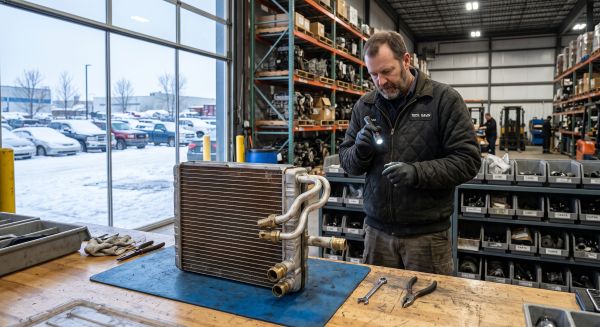
Car cabin heat is based on the engine’s coolant loop. The engine heats liquid coolant to well above 80 °C and then circulates it through the heater core underneath the dashboard. The heater core is a tiny metal radiator, typically made from copper pipes with thin horizontal copper fins to distribute heat. Air moves across those hot fins, grabs that heat, and moves into the cabin through the vents. If coolant doesn’t go to the heater core or it’s cold, you sense weak or no warmth at the vents.
The heater core and the blower motor perform very different tasks. Hot coolant heats an additional component, the heater core, which contributes heat to the air. The blower motor doesn’t generate any heat. It just blows air over the core and vents. No matter how powerful a blower, a clogged or cold heater core still blows cold air. A hot heater core and a broken blower means nearly no air flow, so you might get some warmth when the car is moving and pushing air through the vents.
The heater core relies on heat generated by the engine, so problems with the cooling system can sometimes point to broader issues involving the vehicle's engines and engine parts.
Coolant level and flow are more important than you might think. Low coolant, air pockets, or a partially clogged core all mean less hot liquid reaches the fins, which reduces the surface area able to conduct heat into the cabin. The system may blow lukewarm air or oscillate hot and cold randomly. Rust, grit, and old coolant can clog the tiny copper tubes as well. By regularly flushing the cooling and heating circuits, you keep flow clean and steady, which promotes both strong heat in winter and stable engine temperature year-round.
Key heating system parts include:
-
Heater core
-
Blower motor and fan wheel
-
Heater control valve
-
Coolant hoses, seals, and clamps
-
Temperature blend doors and actuators
-
Coolant pump and thermostat
-
Refrigerant seals and hoses (shared with A/C)
Poor Cabin Heat Causes

Poor or no cabin heat can stem from more than a worn heater core. In most cars, a number of little things add up, so playing the odds at what’s wrong is usually just a waste of time and money. Both mechanical components and rudimentary electrical components are involved. Bypassing thorough inspections can result in changing a heater core when the problem lies elsewhere. A step-by-step glance at airflow, coolant flow, and valve control provides a better portrait before anyone places a parts order, whether used or new, in Edmonton or anywhere else.
Airflow Restriction
Weak heat at the vents doesn’t necessarily indicate coolant problems. Often, hot air never makes it to the cabin because airflow is obstructed or feeble. A cabin air filter clogged with dust, leaves, or road grit can reduce air volume so significantly that vents are lukewarm even when the heater core is hot. Closed or mis-set dash vents, floor mats pushed against outlets, or an aftermarket phone cable draped over vents can choke flow in simple ways that are easy to miss.
The HVAC ductwork can accumulate debris, particularly if the car was driven on dusty roads or parked under trees. Rodent nests, bits of plastic bags and broken off blend door foam may nestle inside ducts and reroute or block air. The blower motor may spin slowly due to worn brushes, low voltage at the connector, or a failing resistor or speed controller, so air feels weak on all or some fan settings.
A quick checklist to narrow airflow issues:
-
Check cabin air filter for dirt, damage, or moisture.
-
Open and test all vents (dash, floor, defrost) for flow.
-
Listen to the blower on all speeds and listen for any rattles or dead speeds.
-
Look for items blocking vents and under‑dash outlets.
-
Check exposed duct joints for gaps, loose fittings or signs of debris.
Coolant Flow Failure
If the air volume is good, but still cold, attention turns to coolant flow. The heater core operates only when hot coolant flows through it, so a low coolant level in the reservoir or radiator can starve the core even if the engine itself checks out fine. Air pockets after a coolant change are another common cause, as the trapped air sitting in the heater core or upper hoses can halt proper circulation and manifests as heat that comes and goes with engine speed or road grade.
Leaks lower coolant volume and pressure. Hoses to and from the heater core, hose clamps, the radiator and plastic fittings around the firewall should be inspected for wet spots, dried coolant stains or a sweet smell. A small leak at the heater core can fog the interior of the windshield, leave damp carpeting or give a coolant smell in the cabin. Any of these indicate more than a minor airflow defect and require thorough pressure testing.
Water Pump – A weak or failing water pump can upset coolant flow. Impeller wear, slipping drive belts, or internal pump damage can keep coolant from flowing well at idle, so heat only feels powerful when the engine is revved. The engine temperature gauge is a useful indicator in this respect. Readings that fluctuate above the normal range, increase at idle then fall at speed, or inch toward the red indicate broader cooling system problems, not just the heater core.
Valve Malfunction
In certain cars, there’s a heater control valve that regulates coolant flow into the core. A sticking valve is another way heat can take a dirt nap. A valve stuck closed or partly closed can leave the cabin cold while the engine runs at normal temperature, which readily causes people to blame the heat core. When the valve linkage, vacuum line or electric actuator fails, the system may no longer respond to changes at the climate control panel.
A quick check is to start the engine, turn the heat on full hot and feel both heater hoses entering the firewall once they have cooled down enough to touch. If one hose is hot and one stays much cooler, coolant flow is probably restricted or blocked at the valve. Switching the temp from cold to hot as you watch or feel the valve and hoses confirms if the valve moves and if hose temp responds to the command.
Common symptoms of heater control valve issues include:
-
Cabin remains cold with engine at temperature.
-
Heat comes on in some settings or only after long drives.
-
Harsh hot and cold air experiences sudden swings even on still settings.
-
Any visible coolant seepage or corrosion around the valve body or fittings.
Heater Core Diagnostic Checks
Heater core checks attempt to validate that poor cabin heat, weak defrost, or coolant loss originates from the core versus other segments of the cooling system. Easy visual checks, then pressure tests and meticulous symptom charting provide a more trustworthy diagnosis than any individual indicator alone.
Begin with a visual and feel test in the heater core region, typically behind the dash on the passenger side and at the firewall in the engine compartment. Check for dried coolant stains, white or green crust, rust marks, or wet insulation. Give accessible hoses and joints a run of your hand (with gloves) and check for wet spots, noting any cracks, bulges, or pinched hoses that can impede coolant flow and produce hot-running engines on longer drives.
A well-conducted cooling system pressure test goes a long way towards verifying heater core condition. With the engine cold, attach a pressure tester to the radiator or expansion tank, pump it to the cap rating and observe if the pressure drops over several minutes. Any loss indicates a leak someplace. Inspect the firewall, cabin carpeting and heater core housing for new coolant. Couple this with blockage and sludge checks in hoses, as a clogged core can restrict circulation, compromise the defroster, and drive engine temps above normal.
No symptom on its own will do. Don’t base heater core “failure” on leaks, smells, fogging and pressure stats alone, particularly when considering a used heater core replacement that typically requires four to eight hours of shop labor.
1. Cabin Fog
Constant cabin fog, particularly on the windshield, can indicate a leaking heater core. Any coolant vapor that escapes from the core mixes with cabin air, rises and coats the glass interior.
Watch for fog that returns even with the defroster and A/C on and the windows cracked. A sticky, greasy film on the inside of the windshield is another red flag, as it is common when coolant mist dries on glass and it frequently leaves the defroster weak and slow to clear.
Keep simple notes: time of day, heater setting, weather, how long the fog takes to appear. This history aids distinction between ordinary cold, damp morning condensation and coolant caused fog.
2. Sweet Odors
A sweet, syrup-like odor inside the cabin is a classic heater core check engine signal. This smell typically emanates from ethylene glycol or related coolants.
Look for it after letting the heater run for a few minutes at idle and while driving. If the odor intensifies with the heat on, then the chances of a core or associated hose leak increase. Inhale as minimally as you can. Coolant fumes can sting airways and eyes and should initiate a quick check, not prolonged exposure.
List other possible odor sources for comparison: air fresheners, spilled drinks, mold from a clogged cabin filter, or plastic trim warming up. If those don’t match the sweet sugary smell, concentrate again on coolant.
3. Floor Dampness
Damp carpet or floor mats on the passenger side is yet another classic symptom. Coolant can leak from the heater box, saturate the sound deadening, and eventually seep into the carpeting.
Peel up the floor mats and touch the underlay – is it wet? Check both sides of the cabin, more so the area closest to where the heater core sits behind the dash.
Press some paper towels on the offending patch. New coolant will stain a colored, slightly oily mark and frequently still has that same sweet odor. If the damp spot corresponds to the core’s location and you find no door or window leak paths, a heater core leak is more probable.
4. Temperature Imbalance
Uneven heat between driver and passenger vents can be an indication of a partially clogged heater core. When certain core passages are obstructed by scale or corrosion, coolant can only circulate through part of the assembly, causing one side of the cabin to remain cooler.
Stick your hand in a few vents with the heater on a constant high temperature and fan speed. Pay attention to any obvious side‑to‑side or top‑to‑bottom discrepancies, as inadequate flow can force the engine to run hotter than normal on longer journeys.
Note these divergences in layman’s terms or with a basic thermometer. Then do blend door and actuator operation tests. A stuck or broken blend door can masquerade as heater core issues and should be eliminated before presuming the core has gone bad.
5. Pressure Loss
Rapid drops in cooling system pressure, accompanied by cabin symptoms, can trace back to the heater core. Leaks in or around the core allow pressurized coolant to leak out, which can escape into the cabin or evaporate.
Try a cooling system pressure tester, which can pressurize the system to its rated pressure and monitor the gauge for a period. Check the coolant reservoir level at the same time over several days. If it inexplicably drops, there are leaks somewhere, even if no puddles lie beneath.
List all potential pressure-loss points: radiator, hoses, water pump, thermostat housing, clamps, and heater hoses going through the firewall. Only when other leaks are eliminated and cabin symptoms align (sweet scent, oily haze, wet carpet, weak defroster) does a failing heater core become the most probable culprit. At that point, a quality used replacement can be worth it to sidestep bigger repair bills from an overheated engine.
Used Heater Cores Edmonton Selection
Used heater cores Edmonton choices come from a variety of places, such as nearby junkyards, auto recyclers and web-based stores that deliver into the city. Inventory changes quickly and some drivers do complain about trouble locating the right unit, especially on the oddball models or older imports, so looking at multiple vendors and using online search resources pinpoints choices quickly.
The majority of good Edmonton recyclers have heater cores categorized by make, model, engine size, and year. Some even label OEM numbers, which makes cross-checking simpler if you have the part number from your original core. An online inventory search on recycler sites is a time saver. You can narrow down by brand, fuel, and even whether the car was front or all-wheel drive, which occasionally impacted heater core design. Since selection tends to get better in warmer months when more cars are parted out, checking seasonally can broaden your options.
New heater cores can be expensive, particularly on larger vehicles or luxury brands, so a tried and true used substitute is often a budget-friendly solution. Most drivers say that with a clean core and flushed in with new coolant and fresh hoses, heat output is comparable to a new part. Even so, used parts are not always risk-free. Hidden wear or internal corrosion can shorten lifespan, so the emphasis should be on condition and testing, not just price. Prior to fitting, a good clean and flush with fresh coolant mix assists in removing debris, lessens clogging and gives a used core a shot at long service.
Pressure Verification
Be sure any used heater core Edmonton has undergone a pressure test, either on‑bench at the recycler or at a third‑party shop. Pressure‑tested units rarely fail shortly after installation, which is important, as labor to reach the core is typically expensive, even if the part was inexpensive. Request written test records from the seller or, at a minimum, a basic tag indicating test pressure, test time, and pass/fail.
Typical pressure ratings you might see:
|
Vehicle class |
Test pressure (kPa) |
Test duration (min) |
Result status |
|---|---|---|---|
|
Compact passenger |
100–120 |
10–15 |
Pass / Fail noted |
|
Mid‑size / crossover |
120–140 |
10–20 |
Pass / Fail noted |
|
Heavy‑duty / diesel |
140–170 |
15–20 |
Pass / Fail noted |
If a seller can’t produce any evidence of testing or is evasive about the process employed, it’s better to run the other direction and continue your search in Edmonton’s broader marketplace or on the web.
Fin Condition
The thin fins surrounding the tubes manage heat transfer, so their configuration and condition impact how efficiently the heater core warms the cabin. Look for bent fins, packed dirt or leaves, white corrosion spots, and crushed areas when you examine a used unit.
Units with a few minor bent fins are usually still fine, but heavy damage, large missing areas, or thick corrosion between fins can impede airflow and reduce heat. Those issues can indicate extended coolant leaks or improper storage. If a big patch of fins appears flat, ripped, or rotten, bypass that core and continue onward.
You can use a simple set of criteria like this:
|
Condition aspect |
Acceptable state |
Reject state |
|---|---|---|
|
Fin straightness |
Mostly straight, only small bends in spots |
Large bent areas blocking airflow |
|
Corrosion |
Light surface marks, no flaking |
Flaking, pitting, or widespread white crust |
|
Cleanliness |
Dusty but brushable, no packed debris |
Fins clogged with dirt, insects, or sealant |
|
Missing fins |
Tiny gaps only, less than 5% area affected |
Wide gaps or missing strips of fin material |
Having this checklist on hand, whether on your phone or printed out, keeps you consistent when you compare a few used heater cores Edmonton sellers.
Port Integrity
Inlet and outlet ports have to be solid and round so they can seal well with your car’s hoses. Check for cracks around the base of the port, hairline splits along plastic necks or any indication that the tube was twisted or over-tightened in its previous installation. Metal ports should be smooth and not have deep grooves from old clamps.
Ports must be clean inside as well. Old sealant, rust flakes, or bits of rubber can prevent new hoses from sliding on completely and can cause slow leaks under pressure. Leaky ports will cause those drips that are hard to find once the dash is back in and necessitate another heater box teardown.
If you can, measure the outer diameter of each port with a basic caliper and record those figures alongside your vehicle’s hose sizes in millimeters. Getting these matched up ahead of time, before you pay, reduces the possibility of fit problems when you actually attempt to mount the core in your Edmonton garage or workshop.
The Used OEM Quality Advantage

Used OEM heater cores deliver a combination of fit, performance, and cost that most Edmonton motorists demand when they don’t want to buy a new part. Used OEM Quality Advantage means the heater core was built to the same design and standards as the one your vehicle had from the factory, so it mates up with the ducts, hoses, and brackets exactly the way the manufacturer intended.
The Used OEM Quality Advantage OEM heater cores generally fit better than most cheap aftermarket units. The inlet and outlet tubes sit at the correct angle, the mounting points line up and the core size is matched to the heater box. This reduces custom work, bent lines, or openings that lead to leaks or weak cabin heat. For today’s compact engine bays and intricate climate controls, that proper fit often translates to reduced install issues and reduced comebacks.
Used OEM parts maintain the original heating performance. If the core is good, it moves coolant and air like a new unit. Many used OEM heater cores will continue to pass pressure tests and exhibit no clogging or corrosion. For many drivers, this alone is sufficient, as used OEM can be roughly 50% less costly than new OEM replacements. That price gap matters on older cars or high-mileage daily drivers, where the cost of a new part might not equal the value of the vehicle.
The worth varies based on the origin, mileage, and wear. A core ripped from a low-kilometer write-off is often more reliable than one from a high-kilometer car with cooling problems. Trusted recyclers in and around Edmonton typically leak-test and sometimes provide a brief warranty, which mitigates the fact that protection frequently isn’t as long as on new components. Many buyers feel it’s a good exchange, and some even love that re-using OEM parts reduces demand for new, resource-heavy production.
Local Replacement Solutions
Local replacement for a bad heater core refers to replacing the damaged core with a new or repaired unit and then reopening circulation in the heating and cooling system. A lot of drivers opt for this route because it solves the heat issue without replacing the entire heating and A/C system, which can be more expensive and time consuming. A targeted fix may involve a coolant flush to clear rust, scale and debris that clog the core and reduce heat in the cabin.
In Edmonton, Jasper Auto & Truck Parts is a frequently used heater core and blower motor supplier if you want to source locally rather than ordering from afar. They inventory components pulled from salvage vehicles, which can be ideal if you drive an older car, truck, or work van where new parts are difficult to source or too expensive. Local replacement solutions can reduce turnaround times, as parts are already there on-site instead of traveling through lengthy supply chains. This makes a difference in the colder months when you need the cabin heat back pronto.
Jasper Auto & Truck Parts stresses tested and warrantied parts so heater cores and blower motors are inspected prior to sale and supported by a transparent policy. This reduces the chance that you replace a component that breaks immediately. It comes in handy when local replacement work has a wide range of quality depending on materials and how the part was stripped, stored and treated. A proven used core, along with a correct install and system flush, can yield good results at a fraction of the cost of a new heater box or new HVAC.
A lot of local heater fixes require specialist tools and expertise because reaching the heart may require taking apart the dash, draining the cooling system, and inspecting for leaks. A quality shop will check heater hoses, clamps, and coolant level and will caution you if the damage is too extensive and a full heating system replacement is the only safe remedy. For on-hand stock, their parts search and inventory pages reveal which heater cores and blower motors they have available by make, model, and year.
Conclusion
A weak heater in winter sucks. It frequently has obvious origins. Heat loss can indicate air in the system, a frozen blend door or clogged core. Basic inspections go a long way. Coolant level, hose heat and sweet smell in the cab all provide strong clues.
Used heater cores Edmonton offer genuine worth. Local yards usually have OEM parts that fit and flow match. That eliminates guesswork and saves money. A lot of the city shops know the common models and swap jobs.
To get ahead, call a local recycler, request a tested OEM core, and then inquire at a couple of reliable local shops for install quotes.
Frequently Asked Questions
How do I know if my heater core needs to be replaced?
Typical symptoms are feeble cabin heat, foggy windows that smell sweet, coolant loss, or soggy carpets beneath your dash. If you experience two or more of these, have a mechanic check the heater core before it gives out.
Are used heater cores in Edmonton a reliable option?
Trusted Edmonton auto recyclers can provide you with reliable used heater cores. Seek pressure-tested, visually checked components with a brief warranty. Top grade used OEM units can work like new for a fraction of the cost.
What should I check before buying a used heater core in Edmonton?
Make sure it fits your vehicle’s year, make, model and engine. See if it’s an OEM part, ask them if it’s been tested for leaks and whether they have a return policy or warranty. Check for corrosion, torn fins or bent fittings.
Why choose a used OEM heater core instead of aftermarket?
Used OEM heater cores are manufactured to the vehicle’s factory specifications. They tend to fit better, last longer, and provide more consistent cabin heat than many cheap aftermarket units. OEM parts minimize the possibility of installation problems or premature failure.
Can a failing heater core cause engine overheating?
Yes. A clogged or leaking heater core may impair coolant flow and lead to coolant loss. Either issue can cause increased engine temperatures. If your heat is poor and the engine is hot, get the heater core and cooling system checked as soon as possible.
Is it safe to drive with a bad heater core in winter?
This is a bad idea. Weak cabin heat is a drag on comfort and fogged windows. A leaky heater core can result in overheating and engine damage as well. Quick diagnosis and replacement are safer and often lower repair costs.
Where can I get a used heater core installed in Edmonton?
Review some of the contact information for local auto repair shops or mobile mechanics in Edmonton who do heater cores. A lot of shops will fit customer-supplied used OEM parts from trusted local recyclers, saving you on parts and labor.