
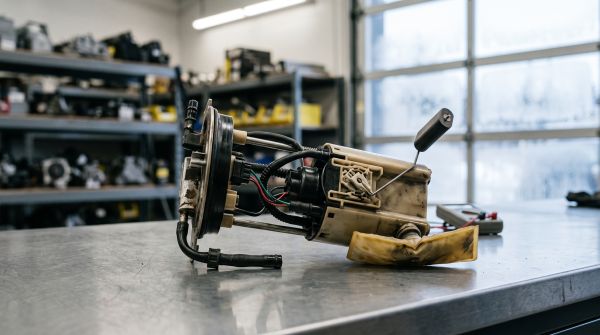
Used Fuel Pumps Edmonton: What to Check Before Installing
Key Takeaways
-
Edmonton services used fuel pumps and transfer pumps for a variety of needs such as automotive, industrial, portable, and vintage applications as well as barrel, tank, and drum mounts. Selecting the right style, size in liters per minute, and electric or manual design assists in aligning the pump with your particular fuel and equipment.
-
Frequent fuel pump failures tend to stem from contaminated fuel, filter sock clogging, and worn electric motors, in addition to improper voltage and poor wiring. There should be no dry run or wrong fluids to protect internals and prolong service life.
-
A thorough pre-installation inspection verifying fitment, hoses, nozzles, seals, flow rating and electrical compatibility can eliminate most early failures. Having a wiring terminal checklist, filter socks, housings, armature resistance and level sensors helps make operation safer and more reliable.
-
Used OEM fuel pumps generally provide a better fit and proven reliability for a particular vehicle or tank, whereas aftermarket pumps can offer more universal options but greater quality variance. For mission-critical applications like classic, industrial or performance motors, placing a premium on quality used OEM units can minimize downtime and multiple fix attempts.
-
Cold weather performance requires seals, plastic housings, and motors that can withstand freezing temperatures and repeated heating and cooling. By choosing pumps from low-mileage or newer vehicles with the right pressure and booster characteristics, we’re able to keep the flow in brutal winters.
-
There’s great value and peace of mind in sourcing used pumps from trusted suppliers that put every part through rigorous testing, inspection, and warranty! In Edmonton, by checking stock with specialists like Jasper Auto & Truck Parts, you can match the right used OEM or transfer pump to your vehicle, tank, or industrial system.
Used fuel pumps Edmonton are second-hand or rebuilt fuel dispensing units available for sale by local distributors, automobile recyclers and heavy machinery vendors. A lot of buyers pick them to save on repairs or upgrades for cars, trucks, farm implements, or industrial fuel systems. We frequently stock anything from OEM pumps pulled from low mileage vehicles to rebuilt units with new seals, gaskets and tested flow rates. Certain sellers in Edmonton stock pumps for diesel, gasoline and specialized fuels, which helps to fit various engine variations and tank configurations. To navigate those choices with less anxiety, the following paragraphs guide you through where to shop, what to inspect before purchasing, and how to evaluate price against new pumps.
Used Fuel Pumps Edmonton

Used fuel and transfer pumps Edmonton are simple to locate if you know where to look. Most folks begin with online bazaars and local thrift listings, where private sellers, little shops, and scrappers advertise pumps snagged from vehicles, tractors, agricultural equipment, and stationary tanks. Some used units are loose on a shelf or pallet. Others are still installed in a car sold whole for parts, with perhaps more unknowns about age, wear, and storage circumstances.
Stock in Edmonton generally includes petrol, diesel, and other light fluids, and a broad range of applications. There are regular in-tank electric pumps for contemporary fuel-injected automobiles, external mechanical pumps for antique engines, and industrial strength transfer pumps for transferring diesel out of storage tanks and into equipment. Industrial users might need 12 V or 24 V electric transfer pumps installed on service trucks. Farms and small fleets seek simple hand-crank or lever pumps that can transfer diesel from a drum to a tractor without wiring. Retro-filled gas pump collectors occasionally seek out older pump bodies and internals from retired stations, which is more restoration than daily use.
Mounting style is important as quite a few of the used fuel pumps Edmonton are designed for custom installs. Popular configurations feature barrel and drum pumps that clamp or thread into 200 L drums, fixed tank-top pumps that bolt to rectangular or oval fuel tanks, and in-tank modules that drop into factory fuel tanks on cars and light trucks. Before purchase, it assists to check how the pump will mount to your drum, tank, or fuel cell so you don’t require custom brackets or hazardous work-arounds.
Used Fuel Pumps Edmonton About choosing the right model you need to check flow rate, fuel type and power. Listings sometimes advertise the capacity, such as a 57 l/min diesel-only unit like an s1176-style pump that suits numerous small fleets but would be sluggish for large-scale farm work. Electric pumps are standard on new vehicles and powered transfer rigs, while manual ones fit basic locations without electricity. Many used pumps are sold as “tested” or “working”, and some are even refurbished. It’s wise to verify pressure, noise level and leaks, and to account for potential maintenance or repair. Since used pumps can be a lot less expensive than new ones, they represent good value, especially for older or hard to find vehicles, as long as you take the installation with appropriate fuel safety precautions and consult a mechanic if you don’t feel confident.
Pump Failure Causes
Fuel pump failure often comes from a mix of mechanical wear, poor conditions in the fuel system, and basic installation errors. For anyone looking at used fuel pumps in Edmonton or similar markets, knowing these causes helps judge risk and plan better maintenance.
A lot of failures begin with what flows through the pump. Dirty fuel contains small rust flakes, dust, and moisture. Rust particles grind on moving parts and scratch cam plates, rollers, and the timing device piston. Water is a leading cause of pump failure, as it can cause pitting on hot metal surfaces within the pump. Over time, that pitting weakens the metal and leads to leaks or loss of pressure. A plugged filter sock or blocked inlet forces the pump to work harder, which accelerates wear on the electric motor and bearings. Inferior fuel system components, such as budget filters that rip or have poor sealing characteristics, let in additional contaminants and increase the likelihood of premature failure.
Electrical and installation problems are another cluster of culprits. A DC 12 V pump that gets unstable voltage, bad grounding, or is accidentally connected to AC will run hot and die quickly. Loose, corroded, or undersized wiring terminals increase resistance and generate heat at the connectors, which can harm both the pump and the harness. Incorrect mounting angle, missing seals, or pinched hoses alter fuel flow and can starve the pump under load. Most of these issues can be averted with basic installation and routine inspection checks.
Operating conditions count too. A dry run, whether after a tank runs empty or during long cranking, robs the pump of the cooling and lubrication that fuel provides. This can score the internal surfaces, such as the cam plate and rollers, and cause failure of critical fuel-injection components. Operating the pump with the wrong liquid, such as water, kerosene, or mineral spirits accelerates corrosion and degrades seals not designed for those liquids. In Edmonton’s cold, hard weather, age and corrosion ravage metal housings and plastic covers, causing cracks, leaks, and shorted windings. Testing of 89 pumps reveals that certain components with a RPN above 600 are major contributors to failures. Detailed failure data analysis identifies at least three common maintenance-related causes that owners can minimize by using better fuel, changing filters regularly, and ensuring correct electrical wiring.
Pre-Installation Inspection Guide
Used fuel pumps Edmonton or otherwise pre-installation checks ensure safety, fit, and fundamental reliability long before the pump ever sees fuel. The checklist needs to include the pump, its wiring and hardware, the storage and mounting surface, and its documentation. The site itself requires a brief safety inspection, such as if the unit is rated for outdoors, how it will get power (i.e. DC12V from a car battery), and how fuel lines will run to and from the tank or barrel.
Confirm the pump’s rated flow (l/min or gph) fits your application. For example, slow transfer to a 200-litre drum or higher flow to service truck tank. Check the electrical rating, for example, 12 V DC, and ensure that it is compatible with your power source and fuse capacity. Ensure it is compatible with your fuel tank, transfer tank, or barrel opening. This includes the bolt pattern, seal diameter, and inlet height from tank base. Check the inlet pipework. The inlet side should have a straight length of at least 10 times the pipe diameter, which reduces turbulence and helps the pump prime and run quietly.
Lay out all accessories and match them against the parts list: delivery hose (1 × 4 m), suction hose (1 × 1 m), automatic nozzle, clamps, and seals. Look for cuts, flat spots, or crushed threads that may leak. Ensure that storage on-site keeps the pump clean and dry prior to installation, away from direct sun or standing water. Check the surface on which the pump assembly, skid, or bracket will rest and ensure it is level and stable so the pump isn’t subjected to twist or stress.
If the unit is going outside, make sure the pump and housing are actually rated for outdoor use. If not, it requires a cover or moving. For professional work, allow drawings, wiring diagrams, and data sheets to be on-site and examined prior to starting. If you discover any damage or missing parts, report in writing, with photos, to your seller or manufacturer within 3 days to safeguard your warranty and reduce the risk of later disputes or delays.
1. Wiring Terminals
Check the wiring terminals and harness as though you were already pursuing an intermittent defect. Check for corrosion, green or white powder on copper, heat marks or melted plastic. Verify that there are no loose crimp joints, broken strands, or frayed insulation that could short when the pump vibrates. Lightly tug on each connector and verify it does not come off.
Custom match the connector style and terminal orientation to your vehicle or equipment harness so you don’t require dangerous “work-around” splices. If the plug keying or pin layout is incorrect, miswiring is simple and can destroy a 12 V DC pump in moments. If you’re using a cable, make sure there’s continuity through each lead with a multimeter. Rotate or flex the cable during testing to catch hidden breaks. A safe, low-resistance connection restricts voltage drop, which is crucial for pumps that need to achieve a set flow at a certain current draw. Pre-Installation Inspection Guide Final install – Give metal contacts a quick cleaning with an electrical contact cleaner and soft brush, then dry before final install. It’s a simple step that can extend the life of a used pump in a damp or cold climate.
2. Filter Sock

Inspect the filter sock at the pump inlet for tears, loose weave or hard debris clumps. Hold it to the light. If you see dark blotches or obstructed mesh, flow will decrease and the pump may cavitate. On a used pump from a scrap vehicle, old fuel varnish or rust dust is typical and must be addressed.
Any sock that appears brittle, heavily stained, or torn must be swapped out, even if the pump itself appears adequate. A new sock is a bargain compared to the price of a pump or injector set.
Check that the sock sits firmly on the inlet and the retaining clip or ring is in place. A loose sock can fall off in the tank and allow unfiltered fuel to go right into the pump. Match the sock style to your fuel and tank layout: diesel often needs a coarser sock than gasoline, and deep narrow tanks sometimes benefit from a longer, more flexible sock that can sit near the lowest point without folding over itself.
3. Plastic Housing
Inspect the pump’s plastic housing or bucket for cracks, warping, or soft spots that may be indicative of prior heat or chemical damage. Slight discoloration alone is not necessarily an issue, but streaks, bubbles, or burn marks around the motor housing are danger signals. Warped flanges can cause slow leaks at the tank seal.
Check all mounting tabs, hooks, and clips that secure the module into the tank or barrel lid. If any are missing or weak, the pump can shift under vibration and alter the pickup height, resulting in false “empty tank” symptoms or sudden fuel starvation. Examine gaskets around the base, top plate, and any electrical pass-through for cracks or rigidity. Old seals tend to leak vapor, then liquid.
If you drop the unit into a clean tank with dust, oil film, or loose rust on the outside, you will have that on the inside of the unit. This avoids polluting the fuel system you’re attempting to safeguard and provides you one last opportunity to detect hairline defects.
4. Armature Resistance
Check armature resistance across pump motor terminals with a multimeter on proper low-ohm range. Check this reading against the specs for that model, like a performer rpm series fuel pump spec sheet. A healthy pump will sit in a tight range. Numbers far above or below are a warning.
High resistance typically indicates worn brushes, dirty commutators, or partial opens in the windings that surface later as sluggish starts and weak flow. Extremely low resistance indicates shorted windings and high current draw, which will blow fuses or overheat wiring in a 12 V system. Used pumps with out-of-spec readings are better rejected before installation than tested on the vehicle, where failures are harder to diagnose and can damage the harness.
If you’ve got multiple like-used pumps on the bench, compare readings between them. Big outliers typically warrant additional prudence even if you don’t have industrial data on hand.
5. Level Sensor
Slide the level sensor float throughout its entire range and sense any drag or sticking. It should swing or slide freely with no abrupt jerks, as any hitch can lead to jerky gauge needles on the dash. If possible with your design, tip the entire assembly and observe the free repeatable motion.
With a multi-meter, check the sensor output at “empty”, mid-travel, and “full” positions. Depending on the system, this could be either a change in resistance or voltage. Match the pattern to your car’s fuel gauge configuration. Some read high resistance as “empty”; others read it the reverse, so it’s important.
Examine the float for cracks, swelling, or signs it has absorbed fuel. A heavy float will lie lower and provide a false low reading. First, ensure the arm is not bent from a previous removal or stowing. Finally, make sure the sensor connector is compatible with your gauge wiring. It should have the same plug type and signal, particularly if you’re cobbling together used parts from different model years, or you’re in for a full mechanical install that finishes with a blank fuel gauge.
Used OEM Versus Aftermarket
Used fuel pumps in Edmonton usually fall into two camps: used OEM units pulled from donor vehicles and aftermarket pumps from third-party makers. Both can work, but they have different trade-offs in cost, fit, and risk that are good to sort out before you fork over cash.
Key differences at a glance:
-
Used OEM is built to original specs, provides a precise fit, and is often at a higher price.
-
Aftermarket offers a wider range of options, is cheaper, and quality and life span can vary.
-
OEM: Design matched to a specific engine, tank, and fuel system.
-
Aftermarket often means "one part fits many" and may need extra tweaks.
-
OEM: stronger track record for long-term reliability
-
Aftermarket offers good value when quality brands and sellers are chosen.
A used OEM pump began life as the very piece your vehicle manufacturer selected and tested for that fuel system. It was manufactured to original equipment specifications, so the housing, outlet angles, pressure rating and wiring plug all correspond to stock. That exact fit reduces guesswork in the garage. For owners in Edmonton driving around older diesels, direct-injection petrol engines or hybrids, that match can help keep cold-weather starts and idle quality near factory. Used OEM units are more expensive than most aftermarket options, but they often provide better reliability per dollar, particularly when you purchase from a recycler that pressure tests pumps pre-sale and provides a short warranty.
If you are sourcing other major vehicle components at the same time, it can also make sense to compare used engines and engine parts alongside the fuel system components to make sure the replacement parts match the vehicle and intended application.
Aftermarket pumps are produced by third-party manufacturers who don’t always adhere to the same standard of quality control or testing. Other brands make beefy pumps with OEM pressure and flow equivalent deliverability that are great for everyday use. Still others skimp with inferior bearings, substandard seals or loud motors. Some drivers swear aftermarket pumps are just as good, while others experience premature failure. A lot of car owners go aftermarket because the price is significantly lower than a used OEM unit and the pump still serves their needs as a basic commuter. The upside is less predictability in life span and sometimes additional labor to modify fittings, strainers or wiring.
For vintage, industrial, or high‑performance vehicles, quality used OEM pumps are typically worth the extra expense, since a bad pump leads to lost time or engine damage. Ultimately, it’s a budget and risk tolerance question and what your vehicle means to you.
When sourcing additional used components for the same vehicle, buyers may also need to consider related systems such as used suspension parts particularly when restoring or maintaining an older work truck or vehicle alongside its fuel system.
Cold Weather Durability Factors
Cold weather in and around Edmonton is brutal on any fuel system and used fuel pumps take the hit first. As someone who purchases used, cold resistance is as important as fit and price. Cold temperatures can thin out brittle materials, reduce gas flow, and drag down the electrical system.
-
Focus on what takes the brunt of the cold. Seals, plastic housings, and the electric motor windings all witness freezing, thawing, and road salt. Rubber seals that are too soft can crack after numerous freeze-thaw cycles. Hard, brittle plastic housings can split when fuel nears -15 degrees Celsius or lower. A pump that came from a newer model, designed to operate down near -25 degrees Celsius, will often utilize superior blends of plastic and rubber. For the electric motor, you want clean, unburned windings and no signs of rust or moisture in the casing, or it may stall when voltage drops on cold starts.
-
See how the pump maintains pressure and flow in freezing temperatures. Cold fuel is thicker, so a weak pump can dip below the pressure your engine requires at idle or on the highway. This manifests as hard starting, rough idle, or lean running. On certain vehicles, there is a primary high-pressure pump in addition to a small booster or ‘lift’ pump located within the tank. In very cold regions, that booster helps keep flow steady, like how an air-source heat pump needs a backup heater on the coldest days to maintain the set point. A fuel pressure stabilizing system performs like a properly sized heat pump maintaining a coefficient of performance close to 2.0 to 5.4 at mild 8°C outdoor air instead of falling off.
-
Attempt to get your pumps from low-mileage or late-model salvages. Cold weather durability has more to do with age and cycles than calendar years in brutal winters, as each deep freeze is another thermal cycle on seals and solder joints. A pump salvaged from a newer car that rolled through a high-performance home’s garage, where peak electrical loads top out at 10 to 15 kW during a cold snap, usually experienced less thermal shock than one from a street-parked vehicle. This same thinking appears in heat pump design, where great systems receive added inspections, annual servicing, and intelligent set points only 2 to 3°C apart so they remain efficient for decades. A thoughtful selection today can provide you solid winter launches for decades, just like a sturdy ground loop that can support a ground-source heat pump for 75 years.
Provenance and Sourcing Value

Provenance counts with used fuel pumps Edmonton since the origin behind that part frequently determines just how long it will last and how well it will run. A pump from a reputable wrecker that tests and tags parts is quite different from a cheap ‘unknown’ unit sold with no documentation. It’s who made the pump, the test process, and the warranty that add up to the actual value, not the brand name on the box. For most buyers, the stakes are high, as a failed pump can keep a vehicle off the road and increase repair expenses.
Sourcing from reputable suppliers that test and warranty their stock eliminates a lot of this risk. A quality used pump will provide evidence that it was bench tested for pressure, flow, noise, and leaks at typical operating temperatures. For contemporary fuels, it needs to have ethanol-resistant seals, plastics, and wiring so it can survive E10 or E15 without swelling or fracturing. Warranty terms, even modest ones, indicate the supplier has confidence in its test procedure and is willing to support the part.
Jasper Auto & Truck Parts in Edmonton is a real-life instance of this type of sourcing. They deal in used OEM pumps pulled from donor vehicles, so the units were constructed to O.E. Standards to begin with. It matters because OEM specs establish a minimum standard for design, testing, and build quality, and many cheap aftermarket pumps fall short of that standard. Jasper’s catalog generally includes late-model pumps, but vintage and specialty OEM pieces that are difficult to source new, like older diesel transfer pumps or low-volume performance versions. For older imports or work trucks, it’s sometimes one of the only ways to get a pump that fits and acts like the factory part.
Known vehicle history is another bullet point. A pump pulled from a low mileage, non fleet vehicle with clean service records isn’t the same as a mystery unit from a high kilometer taxi or delivery truck. Vendors that record donor VINs, odometer numbers and simple running notes prior to teardown can provide purchasers superior transparency. When that’s coupled with a thorough check for housing cracks, connector corrosion, output variation and current draw, the purchaser can decide if the used pump is a good buy or a flop.
The OEM/aftermarket mix in the used market requires attention. Not all aftermarket pumps are bad, but they’re not all the same. Two pumps can appear identical on the shelf, yet come from very different plants with different materials, windings, and test standards. Lower-grade units might cheat on endurance testing, spray on weaker brushes, or use plastics that don’t hold up to ethanol or heat. In certain areas, fake or substandard pumps are a legitimate issue, and secondhand parts supply chains can occasionally snag them after a premature breakdown. This is where provenance, packaging, and labels come to the rescue. Obvious maker names, part numbers that cross to OEM references, visible certification marks, and straightforward notes on materials all create a more vivid sense of provenance.
Jasper’s value is here too. Their technicians can assist you in finding a pump or transfer pump by VIN, engine code, or OEM number, not just by appearances alone. This prevents near-fit parts that bolt on but do not have the right pressure or flow range. It is worth calling or checking online for current stock before you visit, and contacting their team when a vehicle has fuel system modifications, like higher-flow injectors, to avoid mismatches. For buyers outside Edmonton, querying any source the same kind of questions regarding test methods, provenance, and warranty holds the same reasoning.
For vehicles undergoing broader drivetrain work, used transmissions can also be evaluated alongside the fuel system and engine components. Matching the correct transmission and other major components to the vehicle is especially important when maintaining older or specialty vehicles.
Conclusion
About used fuel pumps Edmonton The key rests in intelligent checks and transparent information, not speculation. Cold, grit and old parts hit pumps hard, so each one tells a story. A clean tank, safe wiring and a sound fit regularly count for more than brand buzz.
OEM used pumps usually match fit and flow. Good sellers track source, age, and test steps. That record reduces risk in brutal winter starts and extended raids over pavement bare roads.
Used fuel pumps Edmonton
Next time you go hunting for a used pump, bring a short checklist! Inquire about usage, storage, and testing of the pump. Consider each answer a hint and let those hints direct the purchase.
Frequently Asked Questions
How do I choose a reliable used fuel pump in Edmonton?
Seek out low-mileage units, clean housings, and no visible cracks or rust. Request donor vehicle information, test results, and warranty. Purchase from respected Edmonton recyclers or parts dealers who deal in OEM parts and offer inspection and documentation.
What are the most common causes of fuel pump failure?
Common reasons are contaminated fuel, blocked filters, overheating due to low fuel, electrical problems, and general wear. Corrosion is common amongst cold climates. Routine filter changes and keeping the tank at least one-quarter full helps prolong pump life.
What should I inspect before installing a used fuel pump?
Inspect the housing for cracks, corrosion, or leaks. Inspect electrical connections and hoses. Make sure the part number fits your vehicle. If you can, request a bench test or flow and pressure test report. Check any warranty or return policy prior to installation.
Is a used OEM fuel pump better than a new aftermarket one?
A quality used OEM pump typically provides better fit, quieter operation and factory-level performance at a lower price. A quality new aftermarket unit with a good warranty can be an excellent choice. Consider price, warranty and supplier reputation.
How does Edmonton’s cold weather affect used fuel pumps?
Cold can thicken fuel, stress internals and exacerbate any existing wear. Corrosion and brittle plastics will be more likely. For cold climates, look for pumps from equivalent locations, check seals thoroughly and apply the right fuel grade with regular maintenance.
Where do reputable Edmonton suppliers source used fuel pumps?
Reputable providers procure from insurance write-offs, lightly used vehicles with low mileage, and approved car dismantlers. They record donor vehicle information, perform quality inspections, and typically provide limited warranties. Request provenance details and test data to confirm worth and dependability.
What warranty should I expect on a used fuel pump?
Warranties vary by supplier, but many provide 30 to 180 days on used pumps. Longer coverage typically indicates greater confidence in test results and sourcing. Be sure to verify terms, labor coverage, and return conditions prior to purchase or installation.