
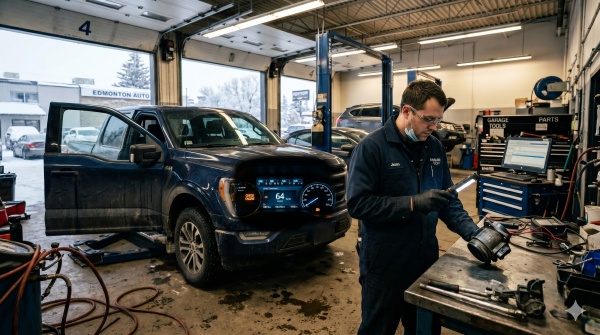
Key Takeaways
-
Tackle the check engine light as an essential early warning that can indicate anything from a loose gas cap to significant engine or emission issues and don’t blow it off to save you from increased fuel consumption, higher emissions and expensive repairs. Utilize the light as an excuse to investigate problems before they spiral.
-
Know that the check engine light is operated by the car’s OBD system, which uses sensors and the ECU to track vital signs and record error codes. Use an OBD2 scanner or a professional technician to read these codes and direct precise repairs.
-
Notice the behavior of the light. A solid light typically indicates a non-urgent yet needed repair. A flashing light often indicates an emergency, such as a misfire that can damage the catalytic converter. Drive less or stop if flashing and seek professional assistance.
-
Know that used or incompatible parts, particularly sensors and electrical components, can spark warning lights if they don’t match factory specs or are worn. Make sure things are compatible, examine used parts closely, and either follow the proper installation steps or employ a qualified tech.
-
Strike the right balance between cost and reliability when selecting used parts by opting for quality-tested OEM recycled components with transparent warranty coverage. Check supplier reputation, part history, and warranty information to minimize the chances of recurring check engine light issues and surprises.
-
Act fast when your check engine light comes on with an easy emergency plan. Inspect for simple issues like a loose fuel cap, scan for easy diagnostic codes, and book quick service at your favorite local shop. When it’s time for replacement parts, seek out trusted sources of tried and true OEM recycled parts to get the performance back in tune and reduce future alerts.
A check engine light is a warning on a car’s dashboard that indicates the car’s engine computer detected an issue with how the vehicle operates. It usually relates to the emissions system, fuel mixture, or engine sensors that monitor things like air flow, oxygen, and misfires. A steady light generally indicates a non-urgent fault, whereas a flashing one usually indicates something more serious that can damage the engine or catalytic converter. Most new cars save error codes, which a scan tool can capture in minutes. To reduce panic and uncertainty, below we decode common causes, what the light’s behavior can signal, and helpful steps to map out your next move.
Understanding The Warning Light
The check engine light is a central element of your car’s alert mechanism. It is connected to the engine and emission controls and lights up when the car’s computer detects something amiss that may impact how clean, safe, or smooth the car operates.
The light is a ‘catch-all’ indication. It can be indicative of dozens of different problems, ranging from minuscule to critical. It can be caused by a loose or cracked fuel cap that allows fuel vapor to escape, or by a failing sensor, misfiring cylinder, or damaged catalytic converter. A solid light generally indicates the car has located a problem, but it could be OK to drive for a bit, provided it runs and sounds as usual. In that case, the intelligent initial reaction is composure, not alarm.
Here’s a quick tip for when that pesky check engine light illuminates steady: it could be the gas cap! Check that it’s present, not cross-threaded, and clicked tight. If that was the culprit, the light may require a few drives to extinguish, as the system must retest itself. If the light stays on after multiple trips or you experience rough idling, hard starts, or loss of power, schedule a diagnostic scan ASAP. This helps you repair a minor problem, such as a sensor or coil, before it becomes a major engine or emission issue.
A blinking check engine light is another matter and more urgent. It frequently indicates an active misfire that can cook the catalytic converter. You can drive an overheated car with a blinking light, but it’s likely to cause permanent damage and may be unsafe, so it’s better to pull over in a safe place and call for aid. Other warning lights matter here too: a battery light that starts flashing above about 30 km/h means the battery is not charging; a traction control/ESC light (car with wavy lines) that stays on can mean a stability or grip issue; a brake warning light can signal a set parking brake, low fluid, or a hydraulic fault. All of these, in addition to the check engine light, safeguard fuel consumption, emissions, and fundamental safety if you react promptly.
How The Check Engine Light System Works
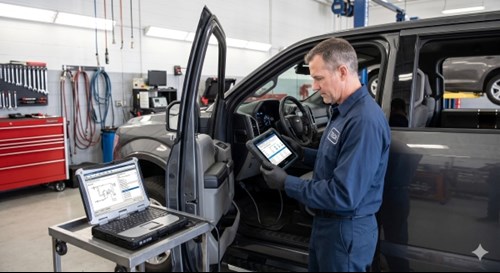
Your check engine light is integrated within the OBD‑II onboard diagnostic system that monitors your engine and emission controls. It depends on numerous sensors supplying information to the central computer, which activates the light whenever something drifts beyond normal thresholds, from an unsecured fuel cap to a malfunctioning oxygen sensor. When that happens, it records a Diagnostic Trouble Code (DTC) so a technician can track down the probable cause rather than guess.
1. The Computer
Your engine control unit or engine control module (ECU/ECM) serves as the car’s central processing unit, communicating with dozens of other little control units located throughout the vehicle. It’s reading sensor data hundreds of times per second to keep air-fuel mix, ignition timing, and emissions in safe and efficient ranges.
While the ECM can silently fix some issues, such as minor air-fuel ratio slips, if a threshold strays too far or remains off too long, it logs a DTC and triggers the check engine light. There can be nearly a hundred little computers in a modern car, all linked together over data networks, so an error in one place can appear as a stored code in another.
2. The Sensors
Important sensors are oxygen (O2) sensors in the exhaust, the mass airflow (MAF) sensor in the intake, temperature sensors, and catalytic converter monitors. They monitor intake air volume, fuel combustion efficiency, and exhaust cleanliness.
If a sensor fails or wears out or someone installs the wrong type, it can send bad data. The ECM observes values that don’t fit actual conditions and, in order to safeguard the engine and emissions system, illuminates the check engine light. Most long-term fuel trim and O2-sensor related codes are the result of fatigued or substandard sensors.
3. The Parameters
The ECM observes factors such as air-fuel ratio, exhaust gas composition, engine load, and coolant temperature. It compares every reading to internal thresholds.
When a value goes past those limits or stays out of range, the ECM sets a DTC and may tweak fuel or timing to keep the engine running. If someone swaps in the wrong injectors, sensors or aftermarket bits that modify airflow without tuning, the values can drift out of range, set off the light and damage fuel economy and emissions.
4. The Trouble Code
Whenever the check engine light illuminates, the ECM saves at least one five-character DTC that a technician can read with an OBD-II scanner. These codes fall into four main groups: Powertrain (P), Body (B), Chassis (C), and Network/Communication (U). There are thousands of possible codes across all makes.
Then there are generic powertrain codes, like P0301 for a misfire on cylinder 1 or P0302 for a misfire on cylinder 2. Manufacturer-specific or “enhanced” codes have a “1” as the second character, like P1000. It’s the accurate reading and interpretation of these codes that keeps repairs focused on the real cause instead of random parts swaps.
|
Code Type |
Example |
Meaning (Common) |
|---|---|---|
|
Generic P |
P0301 |
Cylinder 1 misfire detected |
|
Generic P |
P0420 |
Catalyst system efficiency low |
|
Enhanced P |
P1000 |
Manufacturer‑specific powertrain issue |
5. The Light
Check engine light yellow or red, solid or flashing – each pattern suggests how critical the issue is. A steady yellow light typically indicates problems that are serious but generally don’t require you to pull over immediately, like a malfunctioning O2 sensor or loose gas cap.
A flashing light typically indicates a serious issue such as a heavy misfire that can overheat and destroy the catalytic converter in a matter of minutes. Certain cars flash a red symbol for very high-risk situations. Either way, the color and behavior is an easy code from the ECM, communicating how urgently you should respond and how soon a scan with an OBD-II reader is required.
Why Used Parts Trigger Warnings
Used parts can be great, but they add additional potential avenues for that check engine light to illuminate. The light doesn’t just say ‘bad engine.’ It means ‘something is not as the Engine Control Unit (ECU) expects.’
Compatibility Mismatch
The ECU is tuned to very specific parts values. When a used part is from a different trim, engine size, or market, the sensor readings can be outside the factory range, even if the part physically fits, triggering warnings. That gap by itself can set a fault code.
Sensors and modules are most susceptible. A used oxygen sensor or mass air flow sensor from another model might bolt in, but the signal curve will be different. The ECU interprets that as a mixture, airflow, or emissions issue and illuminates the light. Aftermarket parts can do that when they modify readings outside of stock limits, particularly in the exhaust after-treatment system.
By using manufacturer part numbers, VIN checks, and online compatibility charts, it decreases the risk. Motivated emissions standards matter, too. A sensor from one part of the world with one set of rules can sound alarms when out of place in a car built for a stricter limit.
As a mismatched part can damage driveability. You could experience rough idle, increased fuel consumption, or failed emissions tests, even if the part “works” in a strictly functional sense.
Inherent Wear
Every used part brings its history with it. Heat, vibration and age all change how it behaves in ways you can’t always see at a glance.
Old ignition coils, spark plugs, alternators, and oxygen sensors are typical culprits of check engine lights. A coil that worked “okay” in the donor car might misfire under load in yours and set multiple misfire and fuel trim codes. A fatigued alternator or weak battery can generate voltage swings that confound the ECU and trigger random, hard-to-track warnings.
A quick look still aids. Check for cracked housings, oil in connectors, rusted terminals or burnt pins. When you can, opt for low mileage, tried and true OEM recycled parts with some evidence of bench testing or scan tool data instead of the cheapest mystery piece.
Installation Error
Because even a pristine used part will throw a code if installed wrong. Delicate components such as sensors and control modules will not forgive cross-threaded bolts, over-tightened fasteners, or pinched wires.
Loose plugs, bent pins or poor grounds are classic triggers for ‘mystery’ warning lights. A lot of bogus errors boil down to a connector that isn’t fully seated or a missing clip. Observing torque specs and routing diagrams keeps stress off wires and housings.
-
Disconnect the battery and wait a few minutes before working.
-
Compare them side by side: old and used parts for connectors and shape.
-
Clean mating surfaces and electrical contacts before refit
-
Tighten fasteners to the appropriate torque, not until it feels right.
-
Rout and clip wiring away from heat, sharp edges, and moving parts.
-
Wipe old codes and take a short road test while recording data.
For complicated installs, say control modules that might require software updates or coding, professional shops with the right diagnostic tools provide a safer route.
Electrical Gremlins
Used electrical modules, sensors and wiring harnesses can hide defects that don’t reveal themselves until after installation. Tiny wiring breaks, internal corrosion or previous overheating can cause these to create intermittent faults that trigger the check engine light on and off.
Bad grounds, short circuits, or incompatible ECUs can cause it to blink, stay on, or throw a jumble of unrelated codes. A used ECU might require a software update or reprogramming to fit your specific vehicle’s options and emissions regulations. Otherwise, it can misinterpret other sensors and throw false errors.
Testing used electrical parts with a multimeter or dedicated bench tester prior to installing can save time. Performing continuity, resistance value, and connector integrity tests ahead of time reduces the drive to pursue ‘ghost’ faults down the line.
Hunting down electrical gremlins usually requires something more than a dumb code reader. Scan tools that read live data, scope traces, and module communication help determine whether the fault resides with the used part, the wiring, or the ECU logic itself.
Solid Versus Flashing Light

A check engine light has two main moods: solid and flashing. How it acts gives you an indication of the urgency of your response and the safety of continuing to drive.
A solid check engine light indicates a problem that is significant, but not an emergency, typically. It means the car’s control unit has detected a fault and stored a trouble code, but the engine still runs in a stable way. Typical culprits are a loose or worn gas cap, a faulty oxygen sensor, or a minor vacuum hose leak. Often, you can continue driving for several kilometers, particularly if the car seems normal, fires easily and doesn’t shudder, stall or lose power. This doesn’t mean the problem is innocuous. For instance, a bad oxygen sensor can cause the engine to run too rich, increase fuel consumption and damage the catalytic converter in the long run. A solid light usually provides you a little time to schedule a trip to a shop, not an excuse to disregard it for months.
A check engine light that’s flashing is a different story. It generally means the engine is misfiring in one or more cylinders at the moment. Each bog sends unburned fuel into the exhaust, where it can cook and melt the catalytic converter. Typical causes are a bad spark plug, a bad ignition coil, or something much more severe like a fuel or compression issue. If you continue to drive in such a condition, you risk severe damage, even down to catastrophic engine failure or a converter so damaged it requires expensive replacement. The safer move is to slow down, pull over safely, and tow to the shop. Driving a bit more with a flashing light can take what should be a coil or plug change into a thousands running repair.
The Used Part Gamble
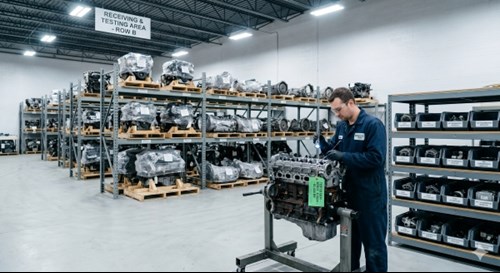
The used part gamble is the balance of lower price and higher risk you take when you put in some used components to fix a check engine light. Junkyard, eBay, and salvage yard parts can certainly save you some money, but they’re used for a reason: they might be worn, damaged, or just plain incorrect for the car. All of these issues can resurrect the light and add more repair costs down the line.
Quality vs. Price
Used parts can seem like an easy victory when you’re price shopping. A used oxygen sensor, ignition coil, or mass air flow sensor can be half or even a third of the price of a new one. That looks appealing if the car is older or you’re on a strict budget. Age and high mileage or hidden damage can curtail that part’s longevity, so the check engine light might turn on again not long after the swap.
When a crappy used part dies early, that’s where the real cost manifests. You pay again for labor, lose time while the car languishes at the shop, and might deal with increased fuel consumption or rough running in the interim. In certain regions, a substandard catalytic converter or sensor can trigger an emissions test failure, which translates to additional fines and hassle. That quick save becomes an extended cost and nightmare.
Quality-tested OEM recycled parts occupy the middle ground. These are genuine, factory-original parts harvested from donor cars, inspected, sometimes cleaned or minimally renovated, and frequently warrantied. They plug in and communicate with the car’s computer just like the original, which reduces the risk of new error codes. For critical engine and emission parts, such as sensors, ECUs, catalytic converters, and fuel injectors, this is where cutting corners tends to hurt the most, so reliability matters more than a minor price difference.
A simple checklist helps lower the gamble:
-
Confirm OEM part number and exact match
-
Ask for test results or inspection notes
-
Check age, mileage, and visible wear
-
Review seller ratings and return policy
-
Prefer written warranty over verbal promises
The Warranty Question
A warranty transforms a blind used-part gamble into a calculated risk. If a reconditioned throttle body, EGR valve or camshaft sensor prematurely fails and triggers the check engine light once again, the warranty coverage provides your customer with a direct avenue to warranty repair without being re-billed at full price again. For that to happen, the terms need to be in writing, easy to understand, and clear about what’s covered and for how long, including labor if possible. Glazing over this section is a gamble and often results in surprises such as “store credit only” or very limited coverage that wraps up before real world problems appear. Providers like Jasper Auto & Truck Parts provide tested OEM recycled parts with specific warranty coverage, which creates a measure of confidence when you’re attempting to correct a warning light without breaking the bank.
OEM vs. Aftermarket
OEM and aftermarket used parts do not behave the same way when it comes to warning lights and system checks:
|
Feature |
OEM Recycled Part |
Aftermarket Part |
|---|---|---|
|
Fit and dimensions |
Matches factory specs |
May vary slightly |
|
Computer compatibility |
Designed for original software |
Some risk of scan or code issues |
|
Emissions performance |
Built to meet factory standards |
Quality ranges from good to poor |
|
Check engine risk |
Lower if tested and in good condition |
Higher if design differs from factory |
|
Typical source |
Salvage yard, specialist recyclers |
Many brands, wide quality spread |
Aftermarket parts can be great, but some are not exact enough to fit factory specs. Even minor tweaks in sensor response or valve timing can fire fresh fault codes, particularly on newer rides with tight emissions control. By using the correct OEM part number to order a recycled part, you can help make sure that the piece will fit and seal properly and “talk” to the engine control unit as expected. The risk of fresh check engine light issues is reduced by providers that specialize in OEM recycled stock, like Jasper Auto & Truck Parts, because they rely on factory-grade hardware rather than mysterious generic alternatives.
Your Immediate Action Plan
When that check engine light flickers on, first calm down and take a slow breath. It’s a light in your car’s onboard diagnostic system, which monitors dozens of sensors in the engine and emission system, so it can infer many different things. What you do in the first few minutes and hours can save your safety and your wallet.
Begin by observing the light. If it’s flashing, let up on the gas, slow down, and make for a safe lane to pull over in as soon as possible. Flashing frequently indicates a misfire severe enough to damage the catalytic converter or other expensive components if you continue driving. When in doubt, it’s better to tow it and get to a mechanic as soon as possible than to risk thousands of dollars worth of damage. If the light is steady and the car feels normal, then you have a little more room to maneuver, but you still shouldn’t dismiss it.
Just check for low-hanging fruit. Check the dashboard for low oil pressure or high coolant temperature warnings. If you’re getting either, shut the engine off and call for assistance. Then, check the gas cap. A loose, missing, or cracked gas cap is among the top reasons for a check engine light, as it impacts the sealed fuel-vapor system. Take the cap off, check for damage, then twist it until it clicks a few times. Over the next day or two, pay attention to how the car runs: any rough idle, weak power, odd smells, or worse fuel use. Don’t drive fast, don’t drive very fast, and don’t be in very hot or very cold conditions if possible, until you know what’s wrong.
If it remains illuminated, get an OBD2 scanner and check the code. Most hand scanners are inexpensive, and some parts stores will read them for free. Plug the scanner into the OBD2 port, which is typically under the dash on the driver’s side, with the ignition turned on, then read the prompts to retrieve the code. Codes resemble “P0301” or “P0420.” The code doesn’t tell you the exact part to replace, but it does indicate the system to blame, such as a misfire, oxygen sensor, or fuel vapor leak. Look up the code from a reputable source and record any live data, like coolant temperature or fuel trim, if your scanner displays it. This step helps you determine which issues require immediate attention and which can linger for a bit.
Don’t let a calm beacon soothe you into postponement. Even tiny problems, such as a bad oxygen sensor, can gradually harm fuel consumption and strain other components. If the car runs rough, stalls or displays other warning lights, it’s best to pull over and call for a tow, even if it’s not convenient. Precise diagnosis is the objective. Certain defects can be observed for a few days, but others, such as low oil pressure or overheating, demand immediate attention.
Once you have the code and some initial checks, schedule a visit with an authorized technician or reliable repair shop. Share what you saw: when the light came on, whether it flashed or stayed solid, any changes in sound, smell, or power, and the exact DTCs from your scanner. A good shop will still run their own tests, but this bit helps them zero in on the culprit faster. Have them specify which repairs are genuinely urgent for safety or to prevent major damage and which things are more about comfort or fine-tuning. Schedule the work on a risk and budget basis, but don’t delay anything related to engine health, fuel leaks, or emission control components because those can snowball into bigger failures.
Quality parts do for long-term fixes, especially for engines and emission systems. If you’re in or near Edmonton and need to cut costs without gambling on junkyard-quality stuff, Jasper Auto & Truck Parts is a helpful resource. They’re all about tried-and-true OEM recycled parts, pulled from donor vehicles and inspected prior to sale, so you get original-spec fit and function without new-part sticker shock. This is useful for parts like mass air flow sensors, throttle bodies, or even complete engines and gearboxes, where new ones can be quite costly. Their stock is warranty-backed, which adds a layer of safety if you’re attempting to walk the tightrope between cost and reliability. You or your shop can compare the used part number to your vehicle’s code, reducing the risk of misfit and lost time
Conclusion
A check engine light can seem like a tiny inconvenience, but it signifies significant things beneath the hood. The car runs with numerous connected components. One swap with a used part can screw that up and wake up the light. Some people hit the jackpot with used parts. Others face repeat trips to the shop, more codes, more stress.
A solid light leaves you some wiggle room. A blinking light demands immediate attention. That combination of indicators assists you in planning your next step with less hocus pocus.
For your next repair, balance price, danger, and sanity. Consult a trusted tech. Ask specific questions. Take what you learned here to inform your decision.
Frequently Asked Questions
What does the check engine light actually mean?
The check engine light means your engine or emissions system sensed a malfunction. It could be trivial or it could be a big deal. A diagnostic scan pulls trouble codes from the car’s computer. Don’t blow it off. Little problems turn into costly fixes.
How does the check engine light system work?
Newer cars employ sensors to monitor engine and emissions performance. When a sensor sees something outside normal limits, it relays a message to the engine control unit. The computer saves a trouble code and illuminates the check engine light to warn you.
Why can used or recycled parts trigger a check engine light?
Used/recycled parts might not be the same spec or software version for your car. Even if they fit, they can perform differently than the originals. Such a mismatch can confuse sensors and the control unit, which can cause the check engine light to come on.
What is the difference between a solid and flashing check engine light?
A solid check engine light typically indicates a non-urgent issue, such as a loose gas cap or minor sensor error. A flashing light typically indicates a very bad misfire that can harm the catalytic converter. Cease driving and get help immediately if it flashes.
Is it safe to keep driving with the check engine light on?
If the light is solid and the car runs normal, you can often drive a short distance. Get a diagnostic check soon. If it’s blinking, or your car runs rough, loses power, or smells funny, pull over and call a mechanic.
Can a loose gas cap really cause the check engine light?
Yes. A loose, damaged, or missing gas cap can trigger an evaporative emissions leak. If the system senses the leak, it illuminates the check engine light. Screw the cap down until it pops. If the light remains on after several trips, get it checked.
What should I do first when my check engine light comes on?
See if it’s solid or flashing. Ensure the gas cap is tight. Pay attention to any odd sounds, odors, or power loss. If the light flashes or the car stalls, pull over. Have a competent mechanic run a diagnostic scan.
Continue exploring vehicle repair and recycled auto part resources from Jasper Auto & Truck Parts:
Why Buy Used Auto and Truck Parts
Helpful external resources for Alberta drivers: